Remodeling a bathroom usually starts with an exciting vision—maybe it is a spa-like retreat or just a clean, functional upgrade. But before you start picking out tile and fixtures, you have to nail down the footprint.
So, what exactly is the standard shower size? While a 36×36 inch square is the baseline for a comfortable standalone shower, the reality is that the "perfect" size depends entirely on the space you are working with. If you are tearing out an old bathtub, for example, a 60×30-inch footprint will likely become your new best friend.
Understanding these standard measurements early in your planning phase will save you from cramped layouts and remodeling headaches down the road. Let’s walk through the dimensions that make the most sense for a modern home.
Key Takeaways
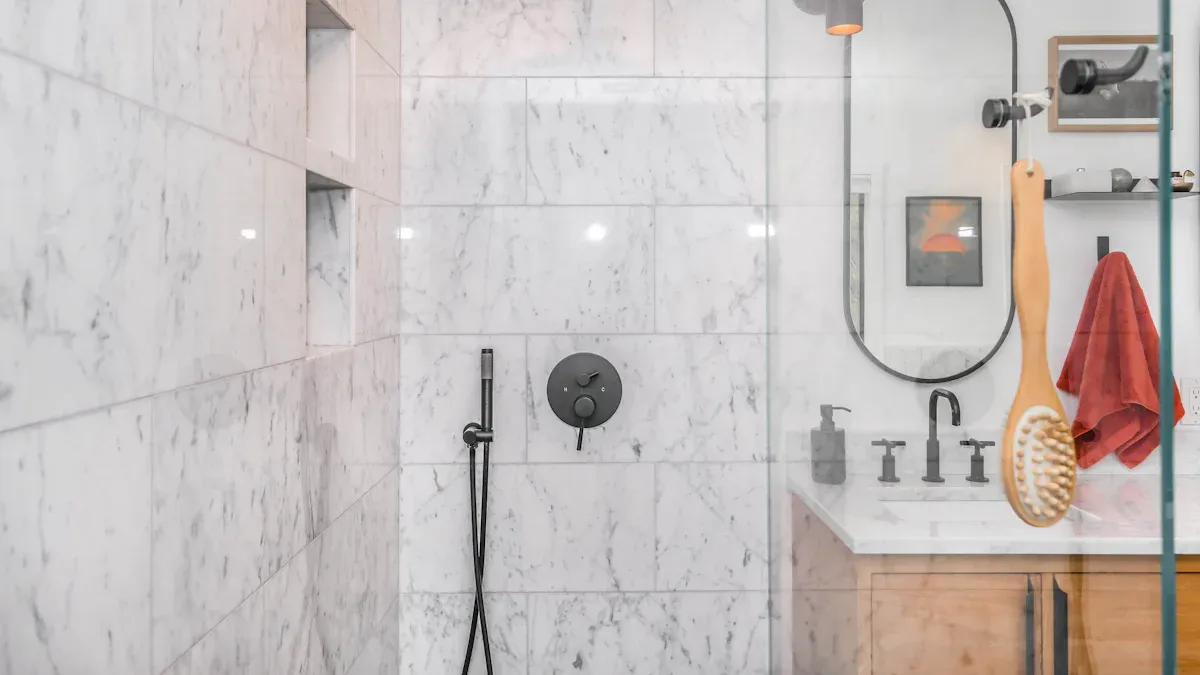
Selecting the right dimensions is about balancing the room you have with the comfort you want. Here is a quick cheat sheet of the most common shower sizes found in residential construction today.
| Shower Type | Minimum Size | Recommended Comfortable Size | Luxury Size |
| Walk-In Shower | 36″ x 36″ | 48″ x 36″ | 60″ x 48″ or larger |
| Alcove (Tub Replacement) | 60″ x 30″ | 60″ x 36″ | N/A |
| Corner (Neo-Angle) | 32″ x 32″ | 36″ x 36″ | 42″ x 42″ |
| ADA Roll-In ADA | 60″ x 30″ | 60″ x 36″ | 72" x 48" |
Building codes exist to ensure baseline safety, but it is important to remember that "legal" does not always mean "comfortable."
According to the International Residential Code (IRC), your local building inspector will pass a shower that is just 30×30 inches.
However, anyone who has ever tried to shave their legs or pick up a dropped bar of soap in a 30-inch stall will tell you it is a tight squeeze. You will likely end up bumping your elbows against the glass every time you turn around.
For everyday use, designers strongly recommend a standard shower size of at least 36×36 inches. It gives you the breathing room you need. If your floor plan allows it, stretching that footprint to 60×36 inches is even better, as it provides plenty of space to add built-in seating or a dual shower head system.
Related article: The Ideal Standard Shower Head Height for 2026
Walk-in showers are the undeniable stars of modern bathroom remodels. They feel open, sleek, and highly accessible.
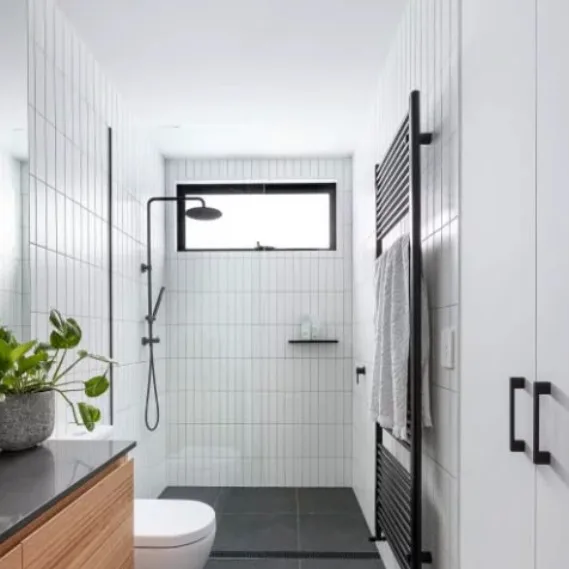
If you are ripping out an old fiberglass bathtub, an alcove shower is the natural replacement. Because it fits right into the existing three-wall pocket, the standard size is usually locked in at 60 inches wide by 30 inches deep.
If you are doing a heavier remodel, expanding that depth to 36 inches will give you significantly more shoulder room without having to move the main plumbing wall."
At Mirplus, we can also provide these standard 60×30 units for commercial and residential developments, engineering them for exact consistency and efficient installation.
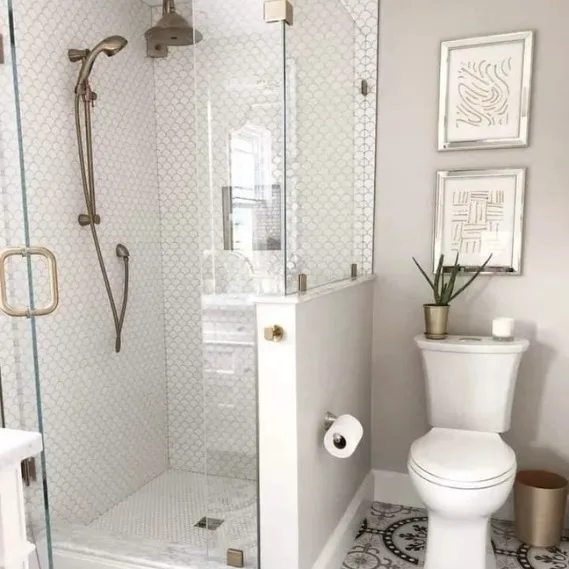
Sometimes, you just have a tricky layout. Corner showers are lifesavers in tight powder rooms or secondary bathrooms. By tucking into a corner and utilizing an angled glass door, they save a massive amount of floor space.
While you can find 32×32-inch kits, upgrading to the 36×36-inch or 42×42-inch versions will make the daily shower routine much more pleasant.
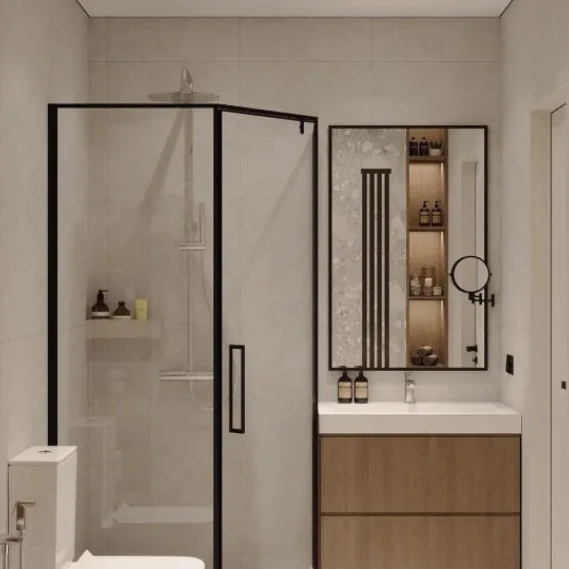
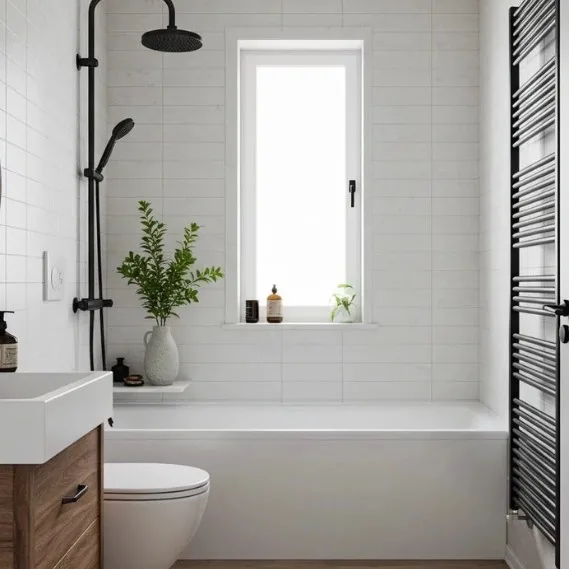
For homes with only one full bathroom, keeping a bathtub is often a practical necessity, especially for families with young children. The standard footprint for a tub-shower combo hasn't changed much over the years: you can expect it to be 60 inches long, 30 inches wide, and 72 inches high.
Good design doesn't just solve today's problems; it plans for tomorrow. Making your shower accessible ensures the bathroom stays functional as mobility needs change.
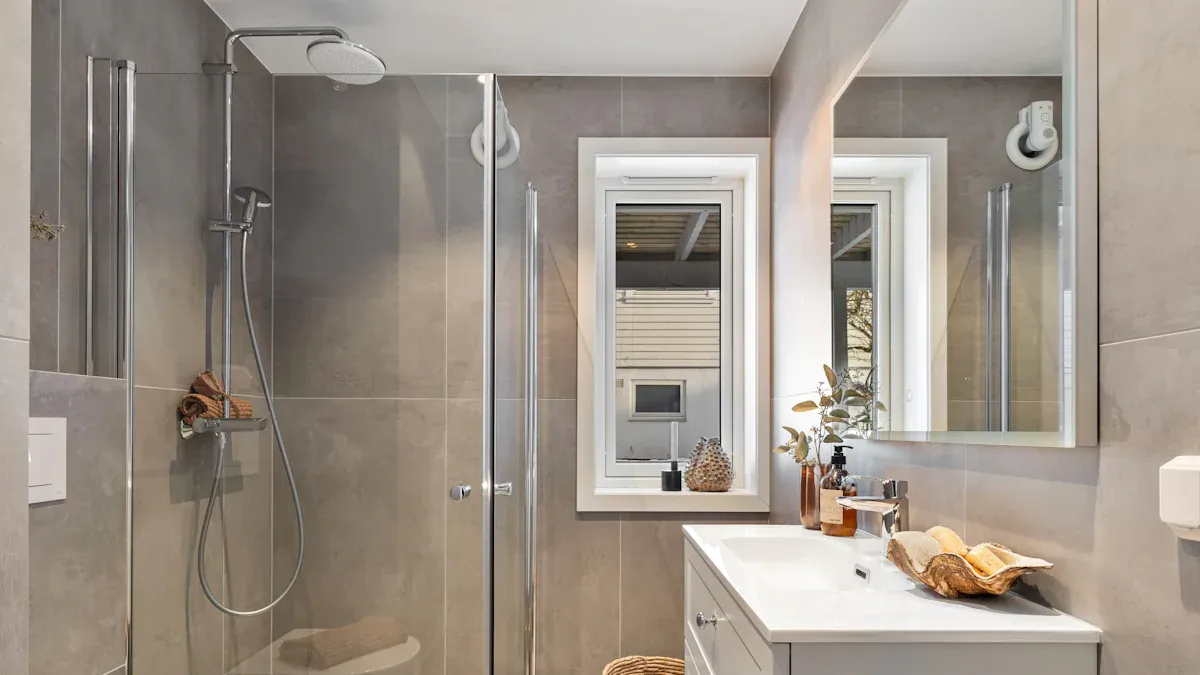
If you want an ADA-compliant design, you need to meet specific dimension requirements. For a transfer shower (designed for a user to transfer from a wheelchair to a shower seat), the interior space must be at least 36×36 inches. If you want a roll-in shower, the footprint needs to be a minimum of 60×30 inches so a wheelchair has room to fully enter and rotate.
Even if you don't need ADA compliance right now, expanding your entryway to at least 32 inches wide, installing a curbless floor, or putting plywood backing behind the walls for future grab bars are smart investments.
Over the years, plenty of remodeling headaches could have been avoided with a tape measure and a little foresight. Keep these pitfalls in mind:
What is the minimum legal size for a shower?
According to the International Residential Code, the legal minimum is 30 by 30 inches. However, because this size feels quite cramped, most professionals recommend a 36 by 36 inch footprint for standard comfort.
How do I choose the right standard shower size for my bathroom?
Start by measuring your available open floor space. You need to ensure you leave enough clearance for the vanity, toilet, and the swing of the bathroom door. If you are replacing a standard tub, a 60 by 30 inch shower will usually slide right into the existing space.
Can I install a bench in a small shower?
Yes. If you have a 36 by 36 inch shower, a floating corner bench is a great solution. It gives you a place to rest your foot for shaving or to sit down without taking up the center floor space.
What features improve accessibility in a bathroom shower?
To make a shower more accessible, opt for a curbless (zero-entry) floor, widen the entrance to at least 32 inches, and include a built-in bench. Installing heavy-duty grab bars is also a crucial safety addition.
Are custom showers worth the investment?
If you have a uniquely shaped room or a large master bathroom, a custom shower allows you to maximize the footprint perfectly. Custom sizes (like 72 by 48 inches) give you the room to incorporate luxury features like dual shower heads, steam units, or expansive seating.
Finding the right standard shower size ultimately comes down to balancing your available bathroom real estate with your daily comfort. While building codes offer a legal baseline, your goal should be to design a space where you can comfortably move, relax, and start your day.
Account for your finished tile thickness, double-check your door swings, and don't be afraid to go a little larger than the minimum if your floor plan allows it. By keeping these standard dimensions in mind, you will build a shower that looks beautiful, functions perfectly, and adds lasting value to your home.
If you are a developer, contractor, or distributor looking for reliable manufacturing partners, MIRPLUS provides premium shower enclosures, bases, and custom hardware. Whether you need volume orders of standard 60×30 alcove units or custom dimensions for a luxury hotel project, contact our team today to discuss your exact specifications."

Copyright 2026 - All Mirplusbath