Updating a bathroom requires balancing immediate aesthetic appeal with long-term functionality. As 2026 design trends prioritize organic, calming environments, selecting the right focal point is critical. Light wood bathroom vanities serve as an effective solution to this design challenge.
By introducing natural tones and subtle textures, these fixtures brighten floor plans and create the illusion of expanded space. Whether anchoring a modern minimalist room or updating a traditional layout, a blonde wood cabinet provides a versatile and enduring foundation for any renovation.
In this blog, we will discuss why light wood bathroom vanities are so attractive and why they are the top choice for buyers.
A pale wood washstand brings nature indoors. The soft tones and visible grain patterns of maple, birch, or light oak create authenticity. The natural finish highlights the wood’s unique character, ensuring no two cabinets are identical.
Solid wood cabinets with natural finishes currently outpace painted alternatives. This shift reflects a broader biophilic design trend, connecting interiors with natural elements to add texture without overwhelming the room.
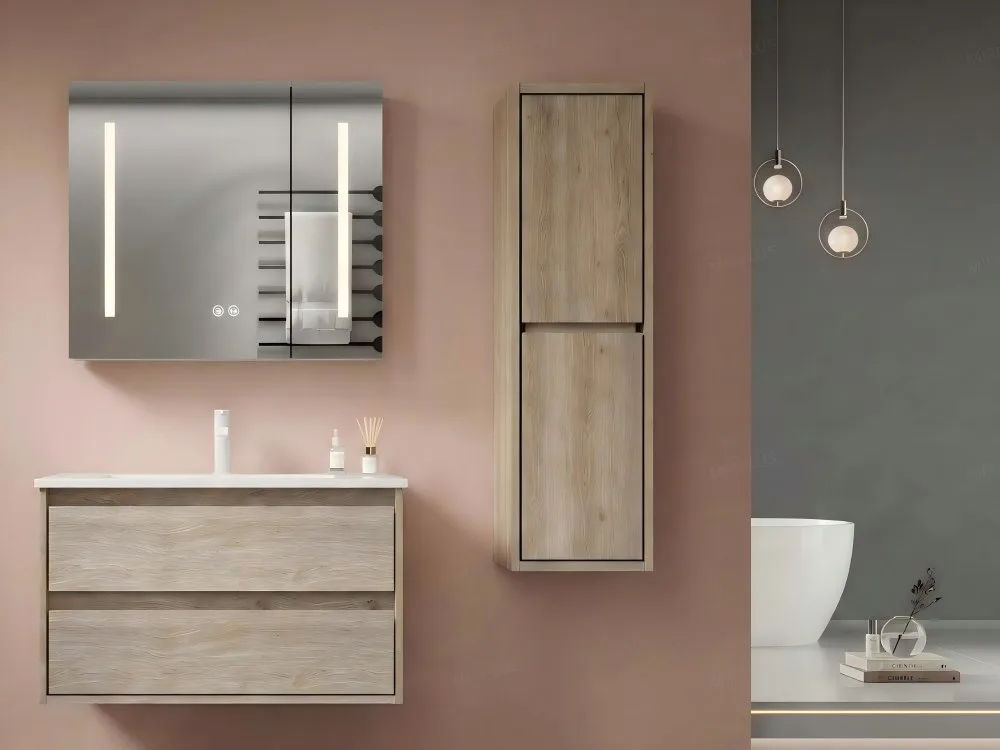
Light-colored woods reflect natural light, making bathrooms appear brighter and more open. This is highly effective in compact floor plans.
Tip: Choose a clear finish for natural wood to maximize light reflection and maintain an airy environment.
The warmth of wood tones contributes to a stress-reducing environment, establishing the bathroom as a functional retreat.
A natural finish vanity suits multiple design styles. In modern interiors, clean lines and natural tones create an uncluttered aesthetic. Scandinavian designs utilize these fixtures for warmth and simplicity. Traditional spaces benefit from freestanding models that combine classic silhouettes with modern utility.
Popular interior styles utilizing light wood bathroom vanities:
| Design Style | Description |
| Modern | Emphasizes clean lines and minimalism, often incorporating natural materials. |
| Scandinavian | Focuses on simplicity and functionality, with a strong connection to nature. |
| Organic | Integrates natural elements and textures, creating a warm and inviting space. |
| Spa-Inspired | Aims for tranquility and relaxation, often using pale wood for a serene feel. |
A blonde wood vanity elevates the room when paired with appropriate fixtures. White solid surface countertops and tiles complement the soft wood tones. Metallic hardware provides the necessary visual contrast.
Choosing the right wood for a bathroom cabinet is important for balancing longevity with your desired aesthetic. Each type offers unique benefits in terms of durability, appearance, and cost.
These species provide high durability for daily use and structural integrity.
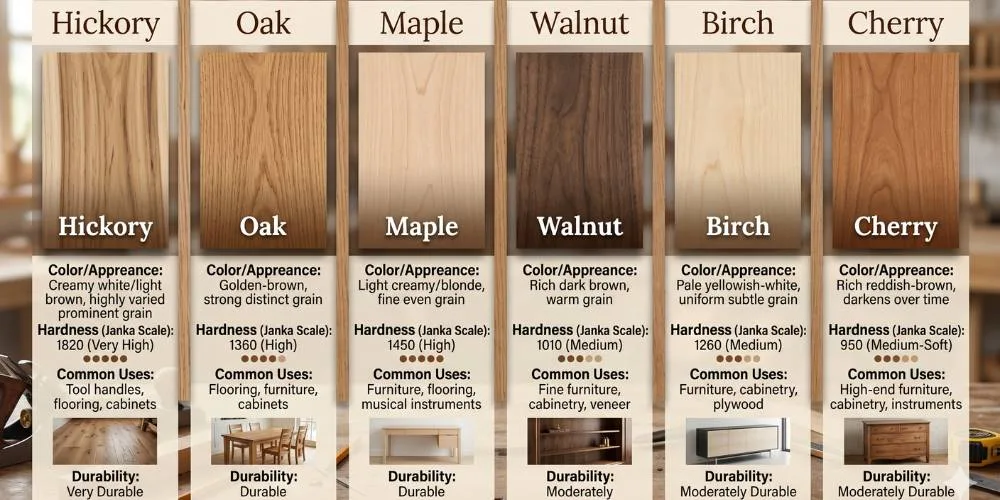
Walnut, Birch, and Cherry. These woods offer distinct aesthetic profiles depending on your budget and design goals.
Many people choose natural finish vanities made from these species because the lighter tones brighten the room while providing a resilient surface for daily routines.
Related article: Command Your Design: The Ultimate Guide to Bathroom Vanity Wood Types
Light wood bathroom vanities offer practical storage, including deep drawers, adjustable shelves, and built-in organizers. These components manage toiletries and minimize clutter. Smooth finishes also make it easier to identify and clean dust or spills.

Integrating a new vanity requires careful planning to maximize your bathroom's functionality. When preparing for installation, consider these common structural steps:
Wall-mounted vanities are optimal for small bathrooms. Exposing the floor beneath creates an illusion of expanded space.
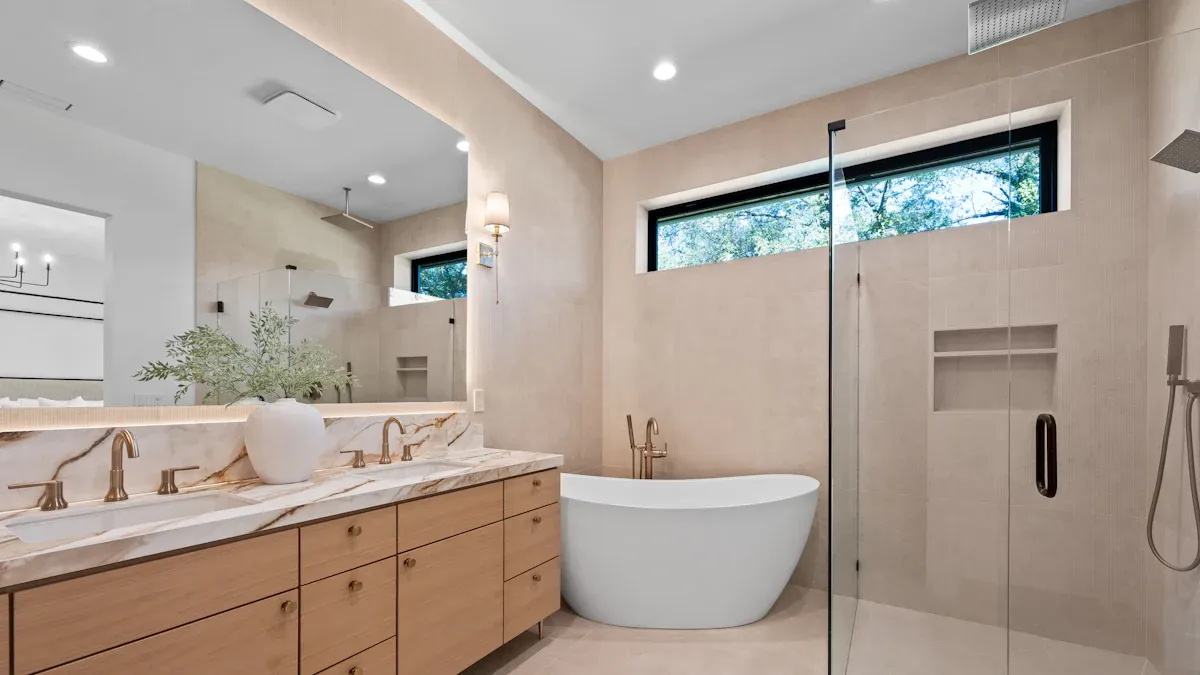
Recent data confirms the popularity of blonde wood cabinetry. The 2024 National Kitchen & Bath Association (NKBA) Trends Report [Insert Link Here] indicates over 60% of designers specify light wood finishes.
The Houzz Bathroom Trends Study positions these vanities in the top three choices for 2026 remodels, noting that homeowners prioritize a spa-like, welcoming atmosphere.
Industry professionals recommend light oak or maple to introduce warmth without visual weight. Pairing these woods with matte black or brushed nickel hardware is a standard recommendation for a balanced aesthetic.
| Designer | Recommended Wood | Key Advice |
| Sarah Richardson | Oak, Maple | Use with neutral palettes |
| Bobby Berk | Birch, Ash | Add modern fixtures for contrast |
| Shea McGee | White Oak | Keep accessories minimal |
Maintain light wood cabinets by wiping spills immediately. Utilize coasters and mats to protect surfaces. Dust regularly and use non-abrasive wood cleaners. Maintain bathroom humidity below 50% using exhaust fans to prevent wood expansion. Most cabinets feature a polyurethane topcoat to provide a water-resistant shield.

Solid light wood bathroom vanities offer a strong balance of beauty and durability. When properly sealed, solid wood resists water damage better than many synthetic materials.
However, wood can expand or contract with changes in humidity, so a good seal is important. Compared to MDF or engineered wood, solid wood vanities provide a higher-end look and can be refinished if scratched.
The most popular finishes use a two-step system. First, a wood stain adds color and helps the finish stick. Then, a polyurethane topcoat creates a water-resistant shield. This system works well in humid bathrooms. While engineered wood offers more stability, solid wood stands out for its long-term value and natural charm.
| Material Type | Pros | Cons |
| Solid Wood | Beautiful grain, refinishable, high-end feel | Needs good seal, expands/contracts in humidity |
| Plywood | Stable, less warping, affordable | Less character unless veneered |
| MDF | Smooth, good for paint, budget-friendly | Not moisture-tolerant, can swell |
The sustained demand for light wood bathroom vanities in 2026 underscores a shift toward organic, durable, and highly functional interior design. By selecting the appropriate wood species—whether it is moisture-resistant oak or a budget-friendly birch—and pairing it with compatible fixtures, you can cultivate a space that balances modern aesthetics with a calming atmosphere.
Whether executing a minor aesthetic update or a comprehensive bathroom remodel, integrating a natural wood washstand provides a reliable, long-term upgrade to the home's value and daily utility.
What is the best way to clean a light wood bathroom vanity?
Use a soft, damp cloth for daily cleaning. Avoid harsh chemicals. For deeper cleaning, select a gentle wood cleaner and dry the surface immediately to prevent water spots.
Can light wood cabinets handle bathroom humidity?
Yes, provided they have a protective polyurethane finish. Maintaining good ventilation with an exhaust fan is required to protect the wood from swelling.
Do natural finish vanities go out of style quickly?
No. Natural wood provides a timeless aesthetic that adapts to modern, transitional, and traditional designs.
How do I choose the right hardware for my vanity?
Matte black, brushed nickel, or brass hardware pairs well. Select simple shapes for modern aesthetics or classic handles for traditional styles.
Ready to update your space? Browse our latest collection of sustainable light wood bathroom vanities to find the exact dimensions and style for your next remodel.

Copyright 2026 - All Mirplusbath