For decades, the traditional undermount sink has been the industry standard for high-end residential and commercial bathrooms. However, advances in solid-surface manufacturing and resin casting are driving a massive shift toward seamless integrated sinks. When specifying fixtures for a project, choosing between a two-piece undermount system and a one-piece integrated top directly affects long-term hygiene, installation costs, and the space's aesthetic.
Therefore, this article will analyze the differences between these two types of sinks based on manufacturing differences, aesthetic appeal, durability, and installation. By the end of this article, I believe that you should have a comprehensive understanding of which sink is best suited for your project.
Understanding how these sinks are built is the first step in determining which is appropriate for your vanity cabinet.
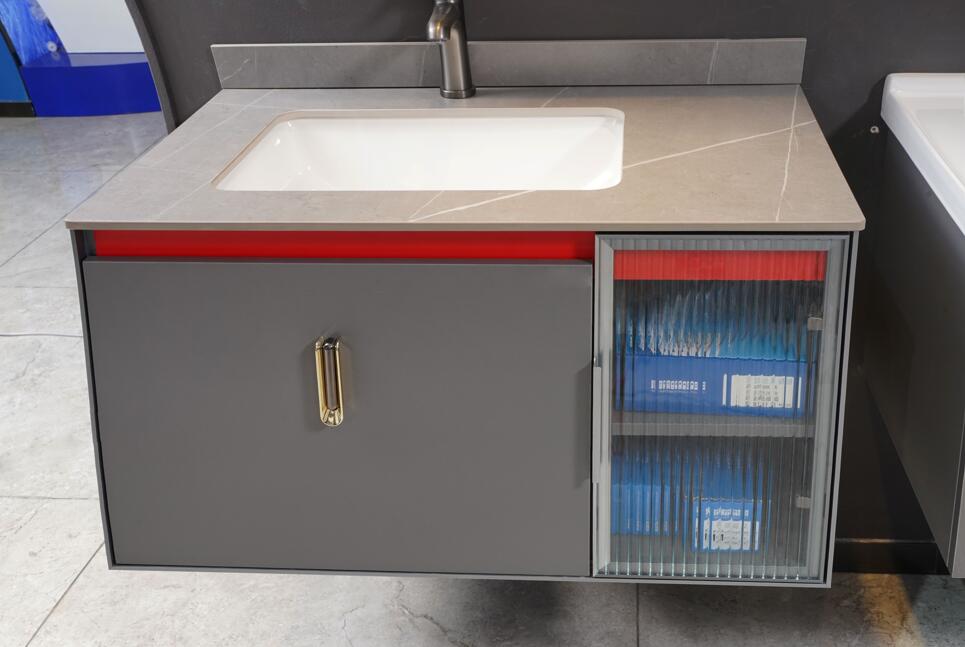
The traditional undermount sink is a two-piece assembly. It consists of a separate basin—typically high-fired ceramic or stainless steel—that is mechanically clipped and sealed with heavy-duty silicone beneath a distinct countertop slab, such as quartz, granite, or marble.
Because the bowl and counter are independent, they rely on differing material properties—often pairing the heavy density of natural stone with the vitreous hardness of a ceramic bowl, which creates a highly rigid, albeit segmented, fixture.
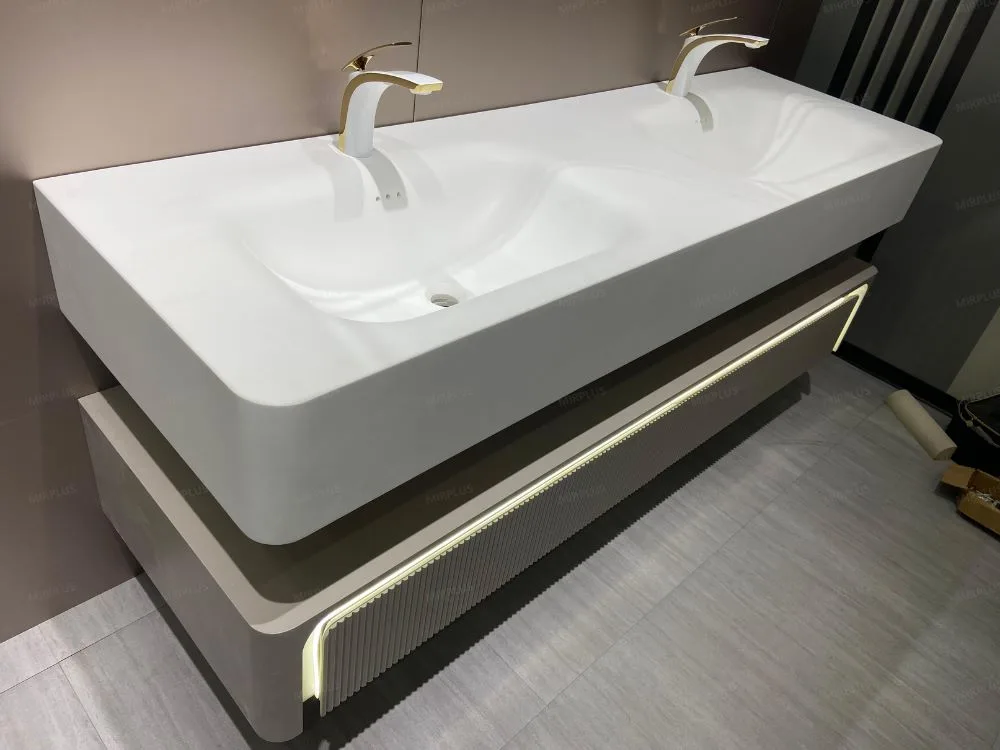
In contrast, a seamless integrated sink is created through a one-piece casting process. The basin and the countertop are poured or fabricated from a single, continuous batch of material, usually solid surface resin, cultured marble, or sintered stone. This manufacturing method eliminates joints, clips, and the need for separate materials.
Furthermore, the solid countertop material typically used for seamless, one-piece sinks is non-porous and slightly flexible, giving it exceptional resistance to impact and thermal shock. This continuous material structure allows the sink to act as a single thermal unit, enabling it to adapt evenly to temperature changes without placing stress on any joints.
What Manufacturers Know About Seamless Integrated Sinks (That You Should Too)
The visual impact of these two styles allows architects and designers to achieve highly specific looks.
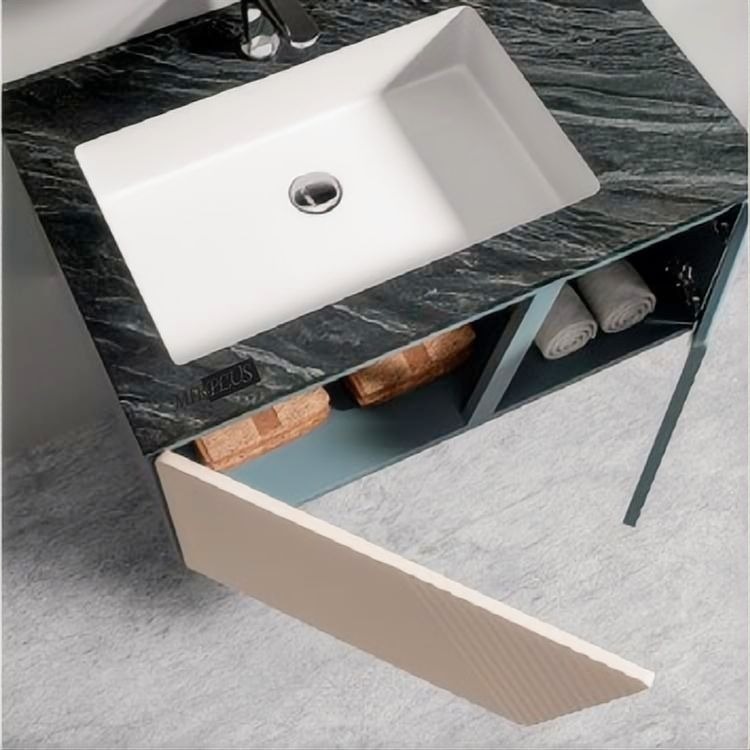
The undermount aesthetic relies on high contrast and classic layering. By mixing and matching materials, such as a stark white ceramic bowl paired with a dark, heavily veined granite countertop, the cutout of the stone visually frames the sink below it. This approach is ideal for traditional designs that utilize contrasting textures and colors.
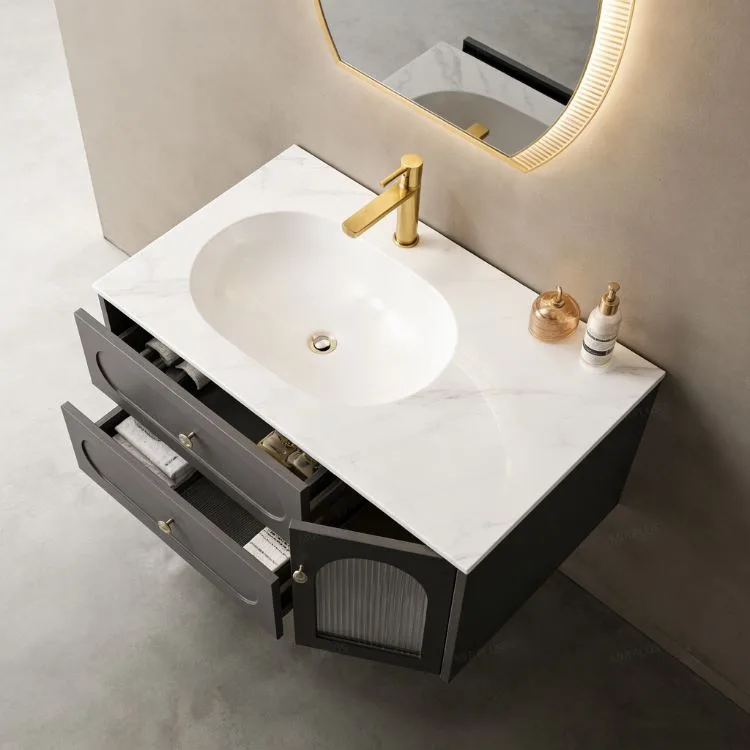
Conversely, the integrated aesthetic focuses on modern, monolithic minimalism. Because the counter slopes directly into the basin without a visible transition line, it provides a flowing, uninterrupted surface. Thus, this visually cleaner approach aligns perfectly with contemporary and industrial spaces.
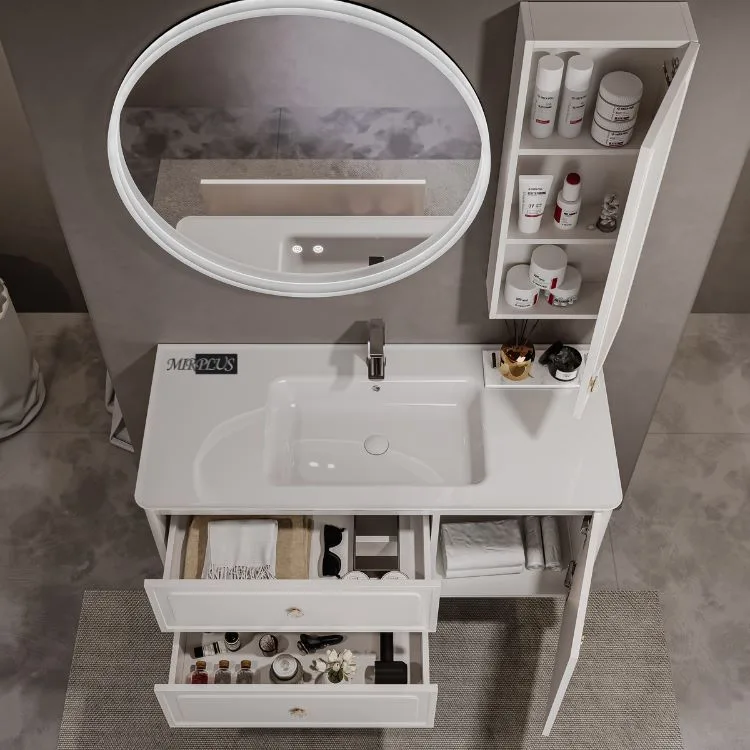
When evaluating long-term performance, how the sink handles water and daily use is critical.
The primary drawback of an undermount system is the silicone joint. The rim where the bowl meets the underside of the stone requires a thick bead of caulk, which can degrade, discolor, and trap moisture over time, necessitating eventual recaulking.
However, the basins themselves—typically high-fired ceramic, cast iron, or stainless steel—are exceptionally durable. They are inherently resistant to extreme heat, harsh chemical cleaners, and deep staining, frequently outperforming solid surface materials in these specific metrics.
Integrated sinks offer a distinct advantage regarding daily hygiene by providing zero joints. Without silicone seams, water and debris can be wiped straight into the drain. While the solid surface material is softer and more susceptible to extreme heat or chemical damage than a vitreous ceramic bowl, minor surface scratches can be easily buffed out on-site to restore the factory finish.
How to Clean Wood Bathroom Cabinets
The installation process and structural demands placed on bathroom cabinets differ significantly between the two systems.
Undermount sinks are labor-intensive upfront. A stone fabricator must precisely cut and polish the sink hole in the slab, and an installer must mechanically mount and seal the heavy bowl underneath.
Yet, this modularity provides significant long-term flexibility. If a basin is damaged or a style update is desired, the bowl can often be detached and replaced without needing to discard the expensive stone countertop.
Integrated sinks are highly cost-effective regarding initial labor, as the single piece is simply laid over the vanity cabinet and secured. Regarding cabinet load, heavy natural stone counters paired with thick undermount bowls require heavily reinforced vanity cabinets.
While integrated solid surface tops distribute weight more evenly, both options necessitate a highly structurally sound base. Specifying [Link: Multi-Layer Solid Wood Bathroom Cabinets] ensures the vanity will not sag or fail under the weight of either top.
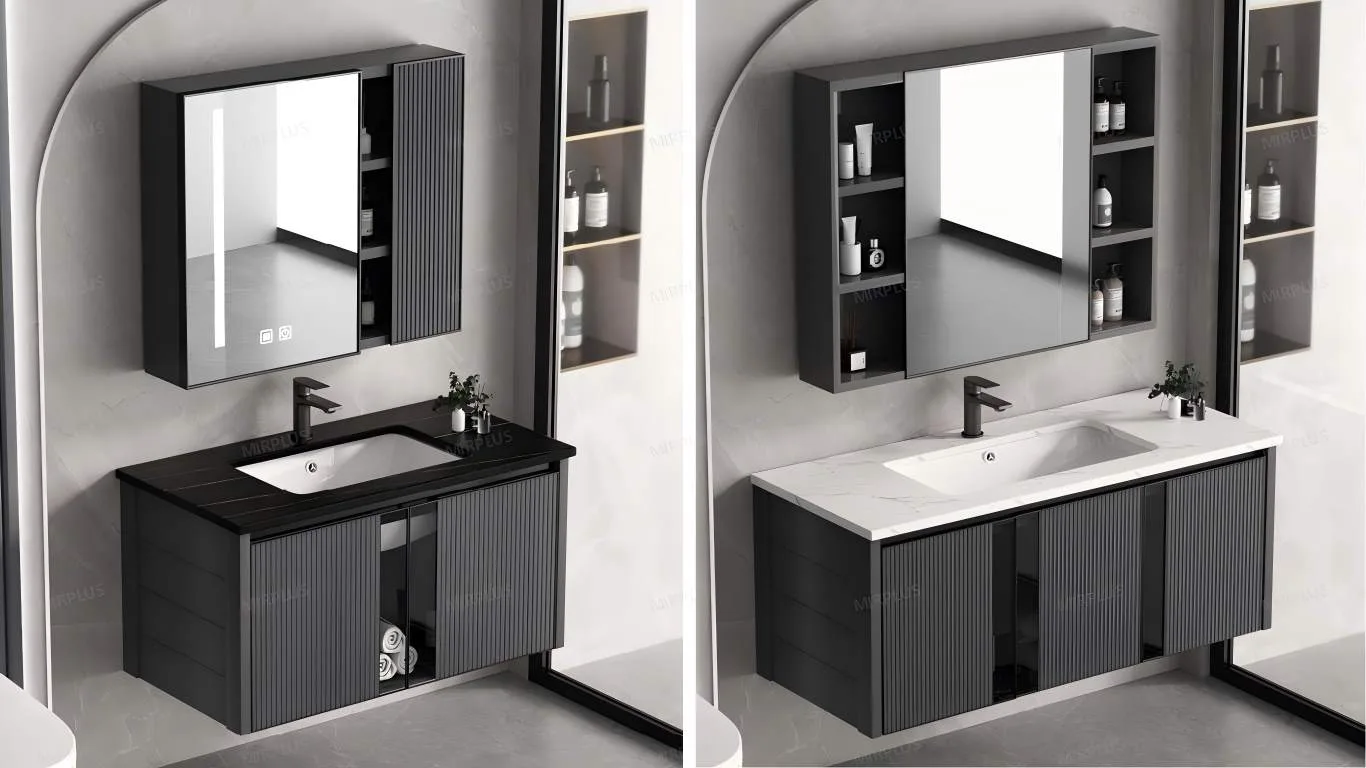
Ultimately, the choice between an undermount and an integrated sink depends on the primary functional and aesthetic demands of the project. If the design requires contrasting materials, extreme heat resistance, and long-term modularity, the traditional undermount system remains a robust specification.
Conversely, if the project prioritizes flawless hygiene, modern monolithic aesthetics, and streamlined installation labor, an integrated solid surface top is the more efficient choice. Both systems demand a stable, moisture-resistant foundation, making high-quality cabinetry a critical component of the final installation.
Can you replace just the sink on an integrated vanity top?
No. If a severe, irreparable crack occurs, the entire countertop must be replaced. With an undermount system, the ceramic bowl can theoretically be detached and replaced without ruining the stone counter above it.
How do you fix a scratch or burn on a seamless integrated sink?
If the integrated sink is manufactured from solid surface resin, damage can be easily repaired on-site. Scratches, scuffs, or minor burns can be buffed out using a fine-grit abrasive pad, restoring the original finish.
Which sink type is easier to keep clean?
Integrated sinks are significantly easier to clean. The seamless transition from counter to basin eliminates the hidden silicone rim found in undermount sinks, which notoriously traps dirt and mold over time.
Is it cheaper to install an integrated sink or an undermount sink?
Integrated sinks are generally more cost-effective in terms of labor. You are purchasing and installing one single piece. Undermount installations require purchasing the stone slab, paying a fabricator for the custom cutout and edge polishing, buying the separate bowl, and paying for the mechanical mounting.

Copyright 2022 - All Mirplusbath