Wall-hung toilets completely change the footprint of a bathroom. By burying the tank and plumbing behind the drywall, you get a clean, minimalist space that is incredibly easy to mop. However, that exact design feature is what makes homeowners nervous. When a toilet is bolted directly into the wall, the idea of fixing a leak or a running flapper suddenly feels like a major demolition project.
Fortunately, these systems are engineered with maintenance in mind. You rarely have to break through tile or drywall to fix common issues.
Understanding the mechanics of your concealed fixture—and knowing what early warning signs to look for—will help you troubleshoot the problem efficiently and decide when it is time to call a plumber.
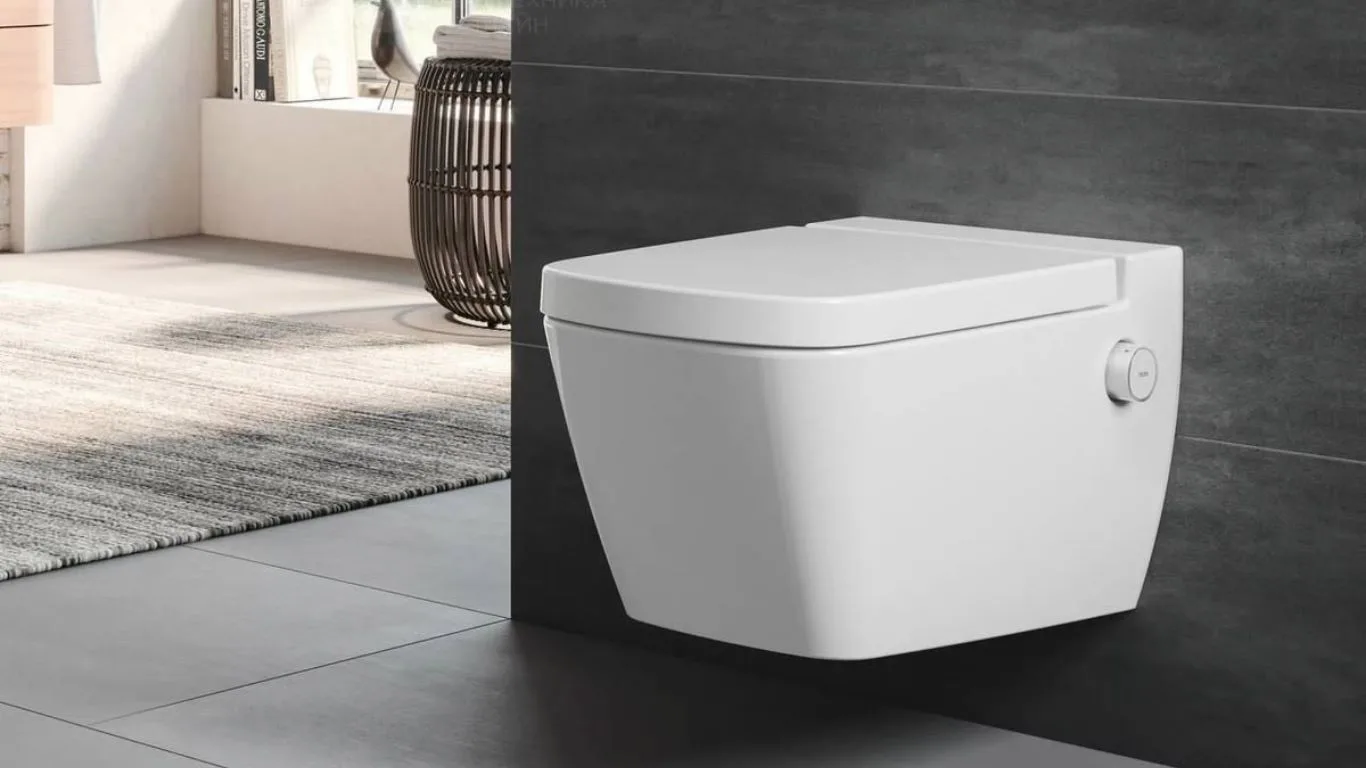
To troubleshoot a wall-hung toilet, you have to understand what is happening behind the plaster. A standard floor toilet is essentially two porcelain pieces bolted to a floor flange.
A wall-hung unit is entirely different. It relies on a heavy-duty steel carrier frame anchored directly to your wall studs. Attached to this frame is a slim, plastic water tank. The ceramic bowl is simply suspended from two thick steel rods protruding through the finished wall.
| Feature | Wall-Hung Toilet | Floor-Mounted Toilet |
| Support Structure | Heavy steel carrier frame bolted to wall studs | Gravity and floor flange bolts |
| Water Tank | Concealed plastic cistern inside the wall cavity | Visible porcelain tank attached to the bowl |
| Flush Actuator | Large wall-mounted push plate | Traditional side lever or top button |
| Maintenance Access | Through the removable flush plate opening | Removing the porcelain tank lid |
The most important thing to remember is that the wall-mounted flush plate is your access door. When you remove it, you have a direct window into the tank to replace parts, adjust valves, and clear debris.
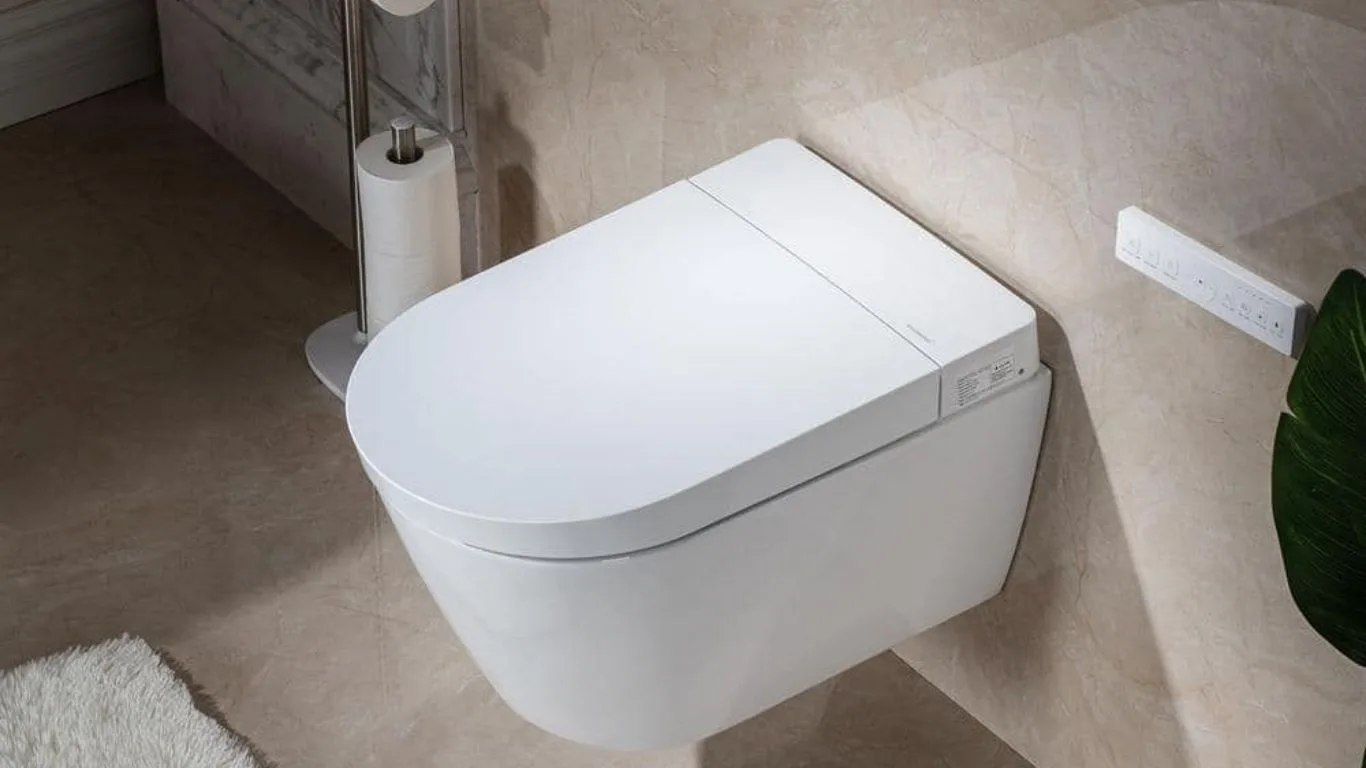
A wall-hung bowl should feel as solid as the wall itself. If it shifts, squeaks, or wobbles when you sit down, the mounting nuts have backed off the steel rods.
This is not just an annoyance; it is a serious liability. Continuous movement will eventually crush or tear the rubber waste pipe gasket hidden inside the wall, leading to a raw sewage leak.
To fix this, remove the plastic or chrome decorative caps on the sides of the ceramic bowl. Use a wrench to tighten the nuts evenly on both sides. The key here is tension—tighten them enough to stop the movement, but do not crank them down with excessive force, or you will crack the porcelain.
If you hear the unmistakable sound of water trickling into the bowl long after a flush, you are wasting hundreds of gallons of water a week. Because the tank is hidden, this problem often goes ignored longer than it should.
The culprit is the same as any standard toilet: a degraded rubber flapper, a stuck fill valve, or debris caught in the flush seal. Pop the flush plate off the wall and reach inside.
It is a tight squeeze, but you can manually adjust the float mechanism, wipe mineral grit off the seal, or swap out the internal flush valve. Standard replacement parts usually fit right through this opening.
A weak flush that fails to clear the bowl is usually the result of restricted water flow. Over time, hard water deposits and calcium buildup can clog the rim jets (the small holes under the rim of the bowl). Scrub the underside of the rim aggressively with a stiff brush and a descaling solution like white vinegar.
If the toilet occasionally flushes itself in the middle of the night (often called a "phantom flush"), the tank is slowly leaking water into the bowl, prompting the fill valve to kick on. You will need to access the tank and replace the bottom rubber seal.
This is the scenario homeowners dread. Because the plumbing connections are buried, an in-wall leak can cause extensive damage before it becomes visible. Leaks usually stem from a cracked plastic cistern, a failing supply line, or a compromised waste gasket.
Watch for the early indicators: peeling paint or bubbling drywall directly below the bowl, soft spots in the baseboard, or a persistent musty smell. If you spot any of these signs, shut off the water supply valve (often located inside the flush plate access panel) and call a professional immediately.
When a toilet is flushed, the tank refills with cold water from your main supply line. In a hot, humid bathroom, that drastic temperature difference causes the outside of the hidden plastic tank to sweat.
If the condensation is heavy enough, it will drip down the frame and pool inside your wall cavity.
Most high-end concealed tanks come with a pre-installed styrofoam insulation jacket to prevent this temperature transfer.
If you are dealing with an older or budget carrier model that lacks insulation, improving your bathroom's exhaust ventilation is the best way to drop the humidity and stop the sweating.
Related article: 8 Common Led Bathroom Mirror Problems (and How to Solve Them)
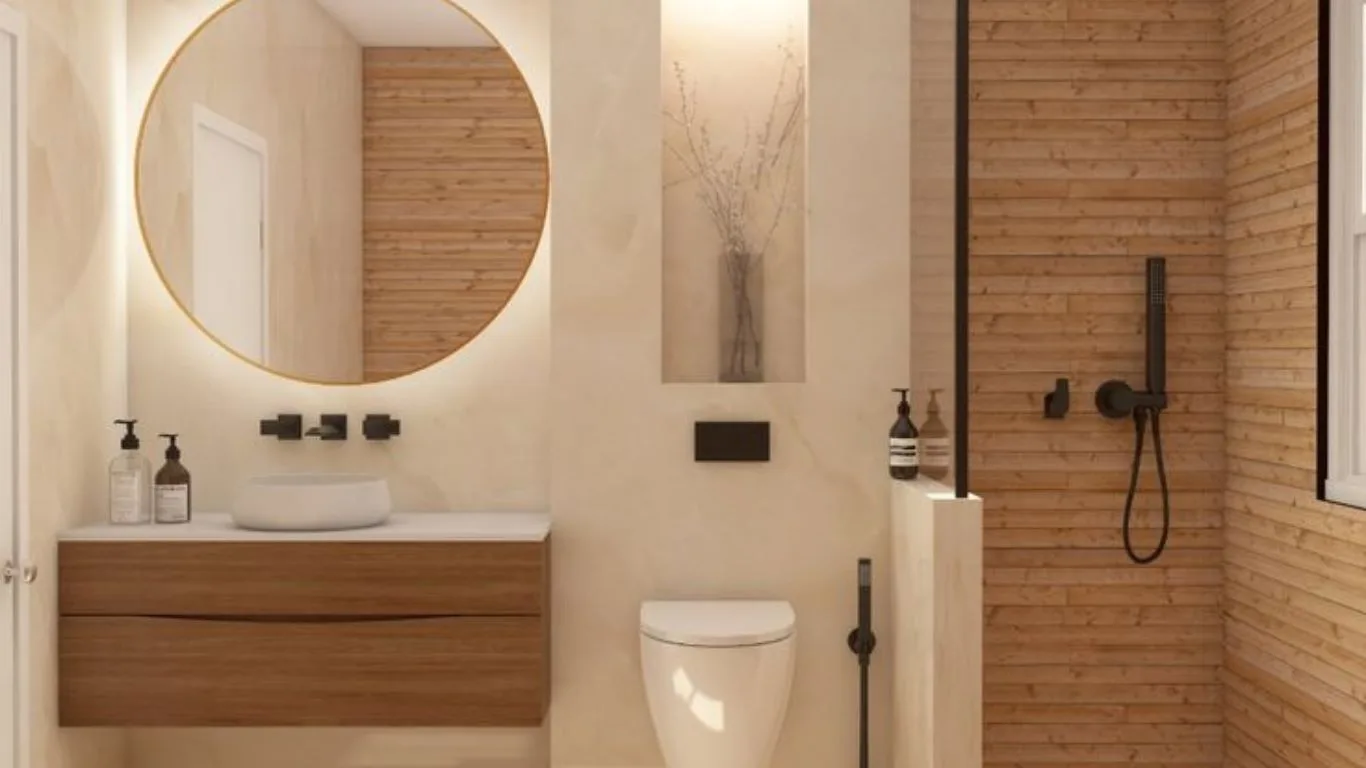
If your bathroom smells like a sewer despite routine cleaning, the problem is likely structural. Wall-hung toilets use a specific, heavy-duty rubber gasket to seal the connection between the ceramic bowl and the waste pipe in the wall.
If the bowl has been wobbling, or if the rubber has simply dried out and failed over the years, sewer gases will slowly seep out from behind the bowl into the room
To remedy this, the entire ceramic bowl must be unbolted and pulled off the wall so the gasket can be replaced. While it is a straightforward mechanical fix, the bowl is heavy, making it a two-person job or one best left to a contractor
Wall-hung systems are highly durable if you follow a few basic rules:
Related article: How to Clean Wood Bathroom Cabinets
Swapping a flapper or tightening a mounting nut is well within the realm of standard DIY home maintenance. However, you should bring in a licensed plumber if
How do I know if my wall-mounted toilet is loose?
The bowl will shift, creak, or wobble slightly when you put weight on it. You may also notice the caulking line cracking where the ceramic bowl meets the tiled wall. This needs to be tightened immediately to prevent damage to the hidden waste pipe.
Can I fix a running tank myself if it is hidden in the wall?
Yes. You do not have to tear down the wall. Removing the decorative flush plate provides an access window large enough to reach inside the wall cavity. From there, you can adjust the float, clear mineral buildup, or replace the internal valves.
Why does my hidden toilet tank sweat?
Condensation occurs when the cold water sitting inside the plastic tank reacts with the warm, humid air of the bathroom. Upgrading to a pre-insulated tank carrier, or simply running your bathroom exhaust fan longer during showers, will mitigate the sweating.
What causes bad odors in wall-hung toilets?
While bacteria under the bowl rim is a common culprit, a persistent sewage smell usually means the rubber waste pipe seal hiding directly behind the bowl has degraded, allowing sewer gases to leak out into the room.
Are wall-mounted toilets harder to maintain than regular ones?
The actual mechanics of the maintenance are very similar to a floor-mounted toilet. The primary challenge is the limited workspace, as all tank repairs must be done blindly or with limited visibility through the rectangular access panel in the wall.

Copyright 2026 - All Mirplusbath