Selecting the correct bathroom sink extends far beyond aesthetic preference. The material and installation type you specify directly dictate the required plumbing rough-ins, the structural integrity needed from the vanity cabinet, and the long-term maintenance costs of the property. Whether sourcing fixtures for a high-traffic commercial washroom or a residential master suite, understanding the manufacturing constraints and installation requirements of each sink type is critical.
Quick Summary:
This is your quick guide to understanding the key factors. And next, we'll dive deeper into each of these options and explain why they work best for different bathroom designs and which one will be the perfect match for your space. Keep reading for a comprehensive breakdown.
Choosing the right material for your bathroom sink isn’t just about looks—it affects how durable, easy to maintain, and long-lasting your sink will be.
You’ll find a range of options—from the timeless elegance of ceramic and porcelain to the rugged beauty of natural stone and the sleek appeal of stainless steel.
When paired with a well-chosen vanity, the right material not only enhances the bathroom’s appearance but also contributes to a comfortable, stress-free atmosphere.
As a factory, here is how we grade these materials based on their actual performance.
When it comes to bathroom sinks, ceramic is a top contender for its remarkable maintenance and ease of cleaning. This is the industry standard for a reason. These materials are formed from clay and fired in kilns at extreme temperatures (often exceeding 1,200°C).


This process creates a highly glazed, non-porous surface that effortlessly resists stains and chemical cleaners. While they are incredibly durable for daily use, heavy blunt impacts can chip the glaze.
Carved directly from solid blocks of stone, these sinks offer a premium, unique aesthetic for luxury builds. With options like granite, marble, and travertine, each type brings its own unique beauty and character, elevating your space. ou can choose from a variety of stunning options: granite’s speckled strength, marble’s elegant swirls, travertine’s warm tones, sandstone’s earthy appeal, or onyx’s vibrant patterns.
However, natural stone is incredibly heavy and inherently porous, meaning it absorbs liquids if left untreated.
For all types of bathroom sinks, stainless steel stands out for its effortless maintenance and sleek appeal.
You’ll appreciate how easily it resists stains and bacteria, making daily cleaning a breeze. Their sleek, industrial look pairs perfectly with minimalist or contemporary designs.
Engineered from a blend of acrylic or polyester resins and natural minerals, solid surface is entirely non-porous and highly impact-resistant. Its nonporous surface resists stains and bacteria, making cleanup a breeze, while its durability guarantees it withstands daily use.
Because the color and material go all the way through the slab, it is highly repairable. With a variety of colors and textures available, you can easily find a design that complements your other vanity style, like mirror bathroom cabinet, without sacrificing maintenance ease.
Most importantly, Mirplus always uses the best quality bathroom sinks to avoid after-sales problems and to make our customers satisfied and comfortable.
Sink Material Comparison:
| Material | Porosity/Stain Resistance | Impact Resistance | Maintenance Level | Best Use Case |
| Ceramic/Porcelain | High (Glazed) | Moderate (Can chip) | Low | Standard Residential, Hospitality |
| Solid Surface | High (Non-porous) | High (Repairable) | Low | Custom Builds, High-Traffic Commercial |
| Natural Stone | Low (Requires Sealer) | High | High | Luxury Residential |
| Stainless Steel | High (Non-porous) | High | Low | Industrial, Modern Minimalist |
When it comes to bathroom sinks, the options are as diverse as your style. The way a sink is installed changes the entire layout of the bathroom. It’s essential to select a sink that not only complements your bathroom's aesthetic but also meets your daily functional needs. Here is what you need to know from a structural standpoint before making a selection.
If you're looking to maximize space without sacrificing style, wall-mounted sinks are an excellent choice for your bathroom.
These sleek, minimalist designs create an open, airy feel, making even the smallest spaces appear larger. By eliminating the need for bulky cabinetry, you can showcase your bathroom's design elements more effectively.


While many bathroom sink options exist, pedestal sinks stand out for their elegant, space-saving design that adds a touch of sophistication to any bathroom.
This is a classic two-piece system featuring a basin and a supporting column. These freestanding fixtures create an open, airy feel, making them ideal for smaller spaces. With their graceful curves and classic appeal, pedestal sinks can seamlessly blend with various decor styles, from traditional to modern.
While the pedestal beautifully conceals the plumbing lines, the wall still bears the primary weight of the sink. This style is timeless and elegant, but it offers zero counter space or storage, meaning you will need a separate mirrored cabinet or shelving in the room.
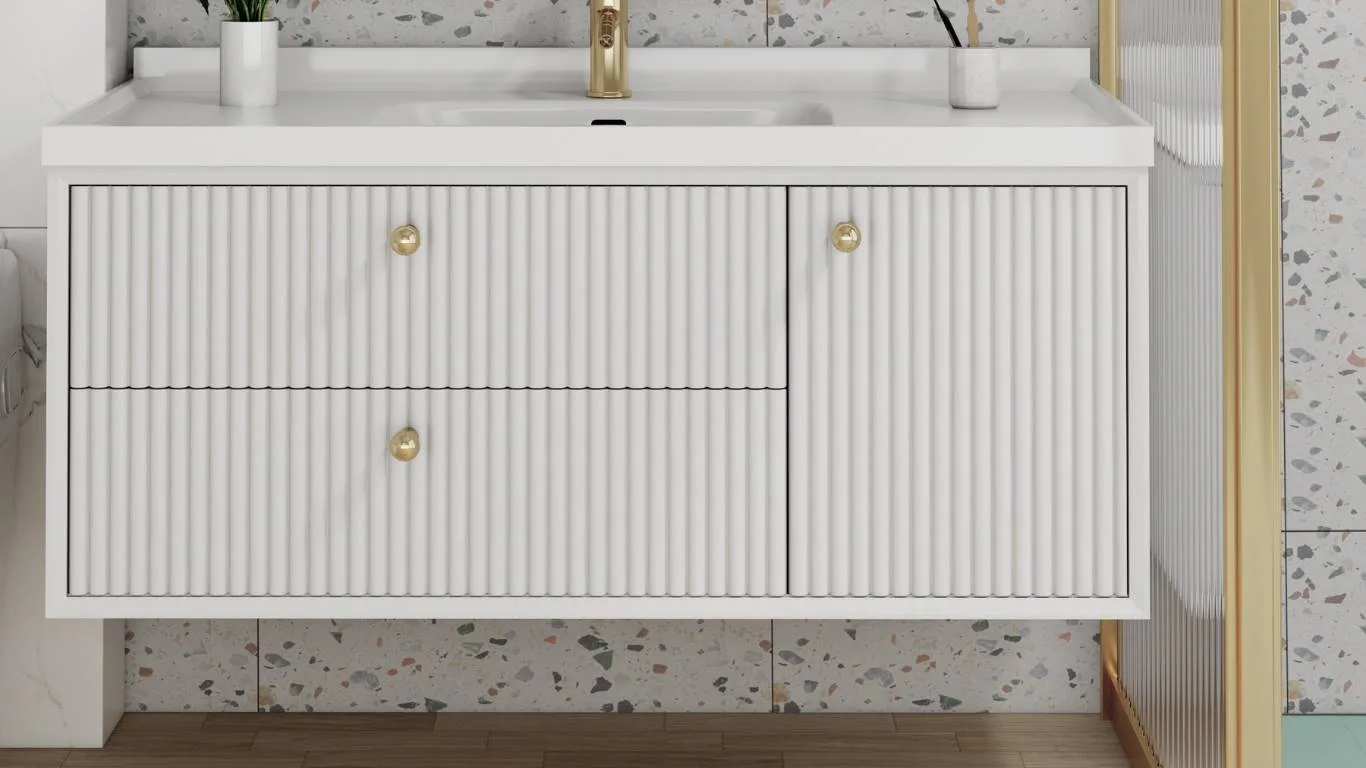
Vessel sinks have become a striking focal point in modern bathrooms, enchanting homeowners with their unique designs and artistic flair.
It sits entirely on top of the counter, functioning as a standalone architectural piece. You’ll find them in a variety of materials, from elegant glass to rich natural stone, allowing you to express your style effortlessly.
If you specify a vessel sink, you must plan your dimensions carefully. Because the basin sits so high, the vanity cabinet below it typically needs to be built at a shorter standard height so the sink remains comfortable to use.
With endless shapes and colors, vessel sinks invite creativity and personal touch into your bathroom, making them a perfect choice for anyone looking to enhance their home’s elegance.
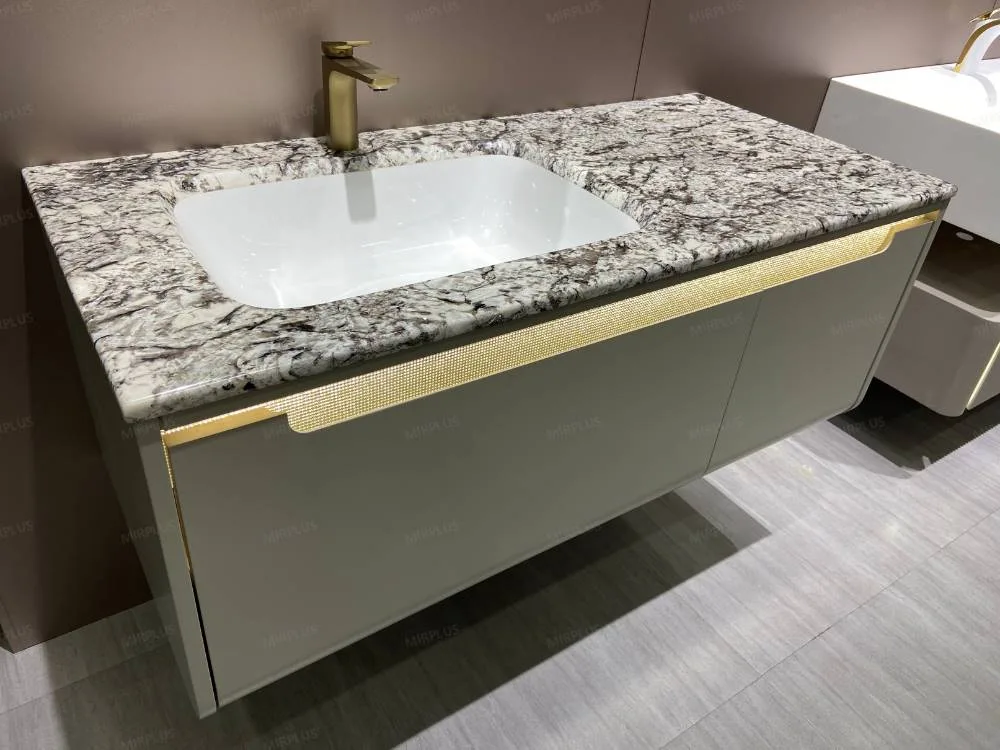
By mounting beneath the countertop, these sinks eliminate visible rims, making your bathroom look polished and streamlined. Mounted directly beneath the countertop, undermount sinks eliminate the exposed rim entirely.
This design also allows water and daily messes to be swept directly into the basin, making it highly efficient for everyday housekeeping. Because the sink hangs beneath the counter, your vanity cabinet and countertop material must be strong enough to support the suspended weight of a water-filled basin without sagging.
However, the versatility of undermount sinks allows you to pair them with various countertop surfaces, from sleek quartz to luxurious marble. These sinks are great for family bathrooms or those looking for a low-maintenance yet elegant option.
Vessel Sink vs Undermount Sink: Which One Works Better for Your Bathroom Vanity?
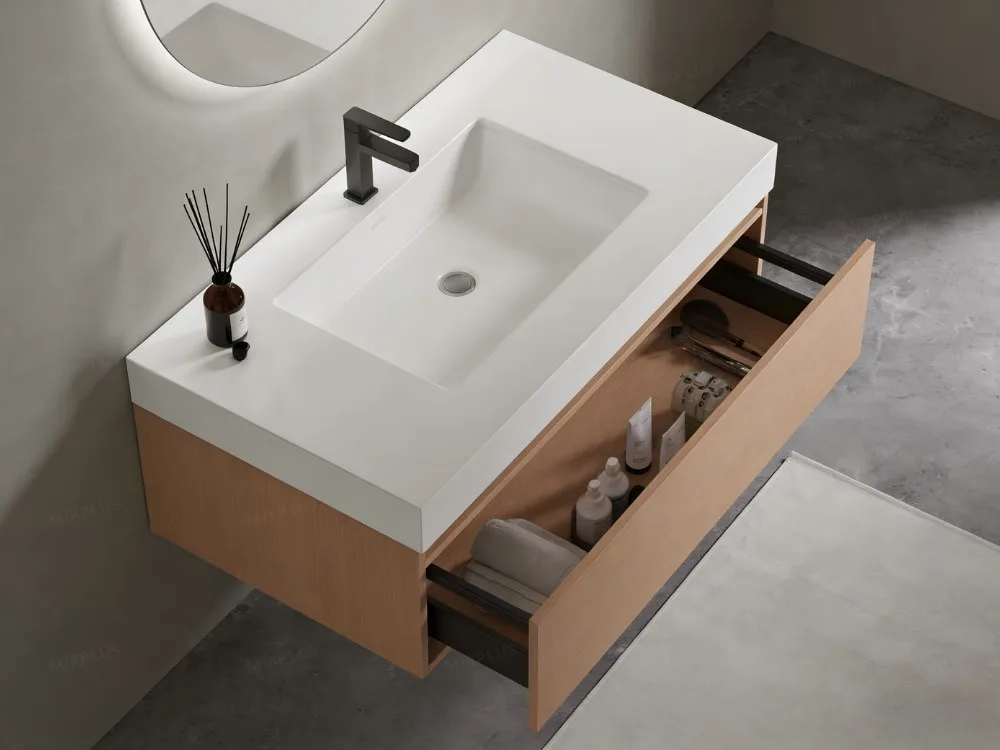
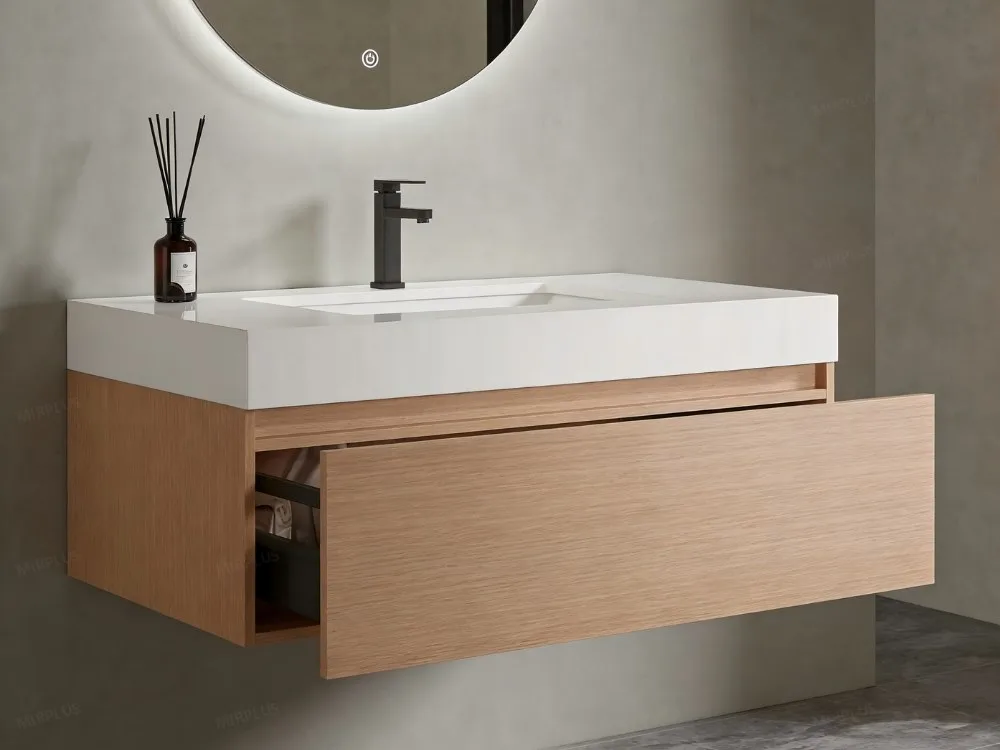
This is the traditional standard for many homes. The sink drops into a pre-cut hole in the countertop, with its rim resting safely on the surface. While it is very easy to install and places minimal stress on the cabinet, the raised rim requires a continuous bead of silicone sealant. Over time, that silicone joint can trap moisture and dirt, requiring occasional maintenance.
A sink should never be chosen in isolation; the material you select dictates the structural requirements of the bathroom vanity beneath it.
Heavy materials—such as a large double-basin natural stone trough or a solid cast iron sink—require substantial load-bearing capacity. Standard flat-pack MDF (Medium-Density Fiberboard) cabinets often lack the structural rigidity required to support these concentrated weights. Over time, a weak cabinet will lead to sagging countertops or joint failure.
For projects utilizing heavy sink materials or undermount installations, you must specify factory-built, reinforced wooden cabinets equipped with solid top supports and heavy-duty corner bracing. The strength of the cabinet guarantees the longevity of the sink installation.

When you manufacture bathroom fixtures every day, you get a clear view of what architects and homeowners are actually buying. Right now, three major trends are dominating the production lines.
1. The Shift to Matte Finishes
Glossy white ceramic remains a reliable classic, but matte finishes are rapidly expanding in modern blueprints. Matte black, soft grays, and textured colored resins are incredibly popular for high-end homes and boutique hotels. Matte surfaces provide a highly custom, sophisticated look and do an excellent job of hiding daily water spots.
2. The Rise of Seamless Integration
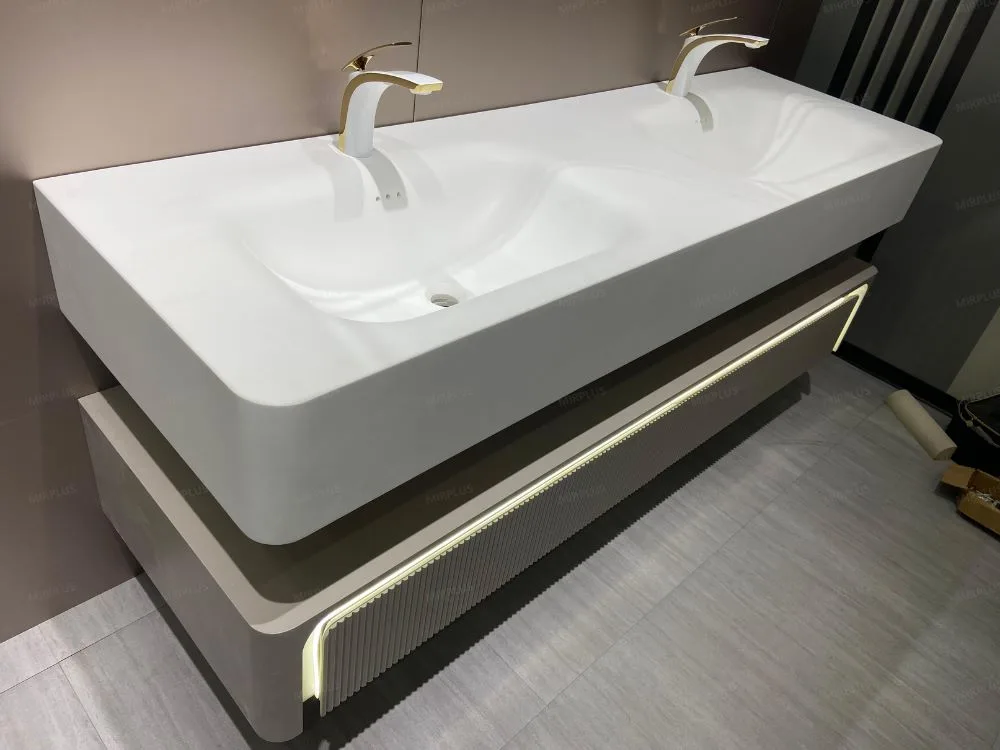
We are seeing a massive shift in luxury design toward Seamless Integrated Sinks. Instead of gluing a separate bowl under the counter, the sink and the countertop are fabricated from one continuous piece of solid surface or sintered stone. This completely eliminates the silicone caulk line, meaning wiping down the counter takes seconds instead of minutes, with no hidden dirt traps.
3. The Rise of Double Vanity Sinks
Double vanity sinks are a game-changer for shared bathrooms, effortlessly combining style and functionality. With two separate spaces for grooming allows you and your partner to prepare for the day without the usual morning chaos.
These sinks come in various designs—from sleek modern lines to charming rustic styles—so you can find the perfect match for your decor. Plus, they enhance the bathroom's elegance, making it feel like a luxurious retreat.
Choosing the perfect bathroom sink comes down to matching the material to how the space will actually be used. Whether you need an easy-to-clean undermount ceramic sink for a busy family home or a striking, heavy natural stone vessel basin for a luxury restaurant, the foundation beneath it is what matters most.
At Mirplus, we engineer complete bathroom solutions. We supply custom Bathroom Cabinets built to support any sink style, paired with our CE-certified LED Mirrors.
Ready for your next project? Contact the Mirplus factory team today for a direct wholesale quote.
What is the most durable material for a bathroom sink?
Solid surface (resin/acrylic) and commercial-grade stainless steel offer the highest impact and stain resistance. This makes them the most durable options for high-traffic and commercial environments.
Do natural stone bathroom sinks require special maintenance?
Yes, natural stone is inherently porous. It requires the application of a penetrating chemical stone sealer every six to twelve months and must be cleaned exclusively with pH-neutral cleaners to prevent permanent etching or staining.
What is the best bathroom sink type for saving space?
Wall-mounted and pedestal sinks are the most effective options for maximizing floor space. Wall-mounted sinks are particularly ideal for compact half-baths or ADA-compliant commercial washrooms, provided the wall is structurally reinforced.
What is the average lifespan of a bathroom sink?
The operational lifespan depends heavily on the material. High-fired ceramic and porcelain can last over 50 years under standard residential use. Commercial-grade stainless steel and solid surface offer multi-decade durability, with the added benefit of being repairable. Natural stone can last a lifetime, but it will degrade rapidly if the strict chemical sealing schedule is ignored.
UNCOVER A REALM OF OPPORTUNITIES.

Hi, I’m Emmy, a bathroom design enthusiast. My company Mirplus, backed by a team of professional designers, is dedicated to helping people select the perfect bathroom cabinets. I hope my articles can be helpful to you when choosing bathroom products in the future.

Copyright 2022 - All Mirplusbath