If you spend enough time manufacturing bathroom vanities, you start to notice a fascinating trend: color is deeply geographical. While interior design magazines might tell us what the global "Color of the Year" is, the reality on the ground is entirely different. What flies out of warehouses in North America might sit collecting dust in a European showroom. For distributors and developers, understanding these regional color palettes isn't just about good design—it’s about knowing your market, moving inventory, and avoiding dead stock.
Here is a look at the geography of vanity colors based on real industry data, and why certain markets just can't get enough of specific styles.
The Vanity Colors: Off-White, Navy Blue, and Warm Earth Tones.
If there is one thing that drives the North American housing and renovation market, it is resale value. Homeowners and developers here want bathrooms that look fresh, clean, and universally appealing.
According to the National Kitchen & Bath Association's (NKBA) latest design trend reports, off-white and pure white remain the dominant, most favored vanity colors by a wide margin. It is the ultimate "safe bet."
However, the era of cool gray is officially ending. When North American buyers do want a pop of color, they are reaching for Navy Blue or warm earth tones like Khaki to provide a tailored contrast against brass hardware without feeling too risky.
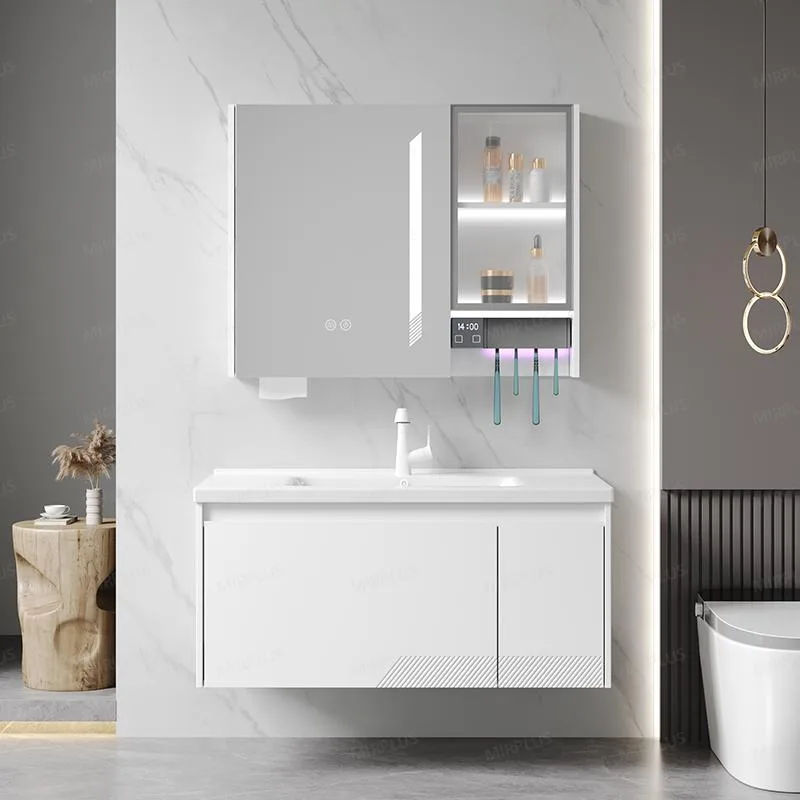

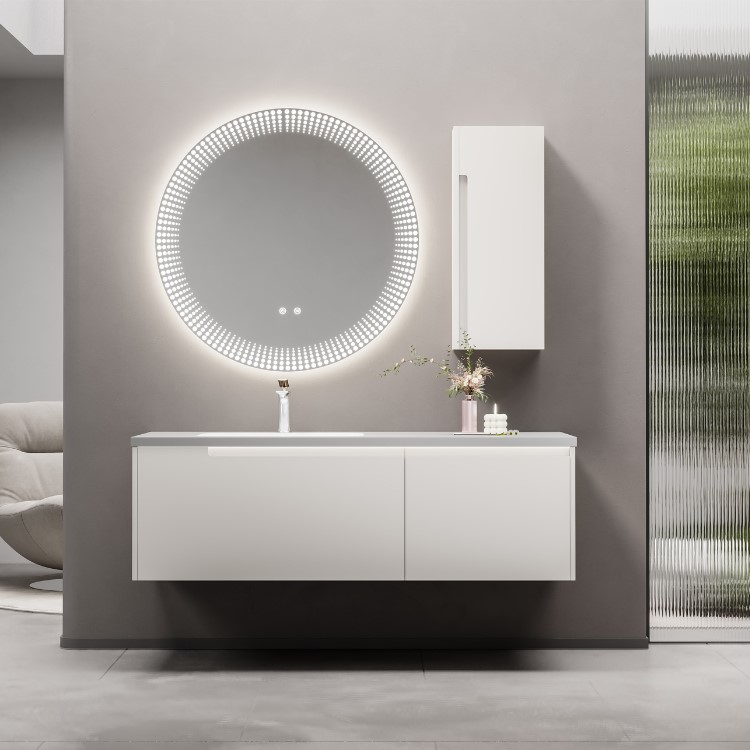
The Vanity Colors: Light Oak, Ash woodgrains, and Muted Sage.
In Scandinavian and Northern European markets, the architecture and climate dictate the design. With longer, darker winters, the goal of interior design is to maximize natural light and bring warmth indoors.
This region heavily favors bright, natural woodgrains—specifically light oaks and ash finishes. These markets love high-quality, paint-free melamine finishes that offer hyper-realistic wood textures. Furthermore, the NKBA and European design councils have noted a massive surge in green tones; muted sage and olive are becoming staples here to create a calming, biophilic (nature-inspired) environment.

The Vanity Colors: High-Gloss Black, Deep Emerald, and Dark Walnut.
In regions like the UAE or the luxury villas of the Mediterranean, the design language is all about opulence and bold, striking contrast. "Safe and quiet" doesn't sell here; buyers want statements.
This is where high-gloss finishes truly steal the show. Developers in these luxury hospitality markets frequently specify Baked Lacquer vanities in jet black or deep emerald green. The goal is to create a mirror-like surface that beautifully reflects the light off heavy marble walls and gold fixtures.
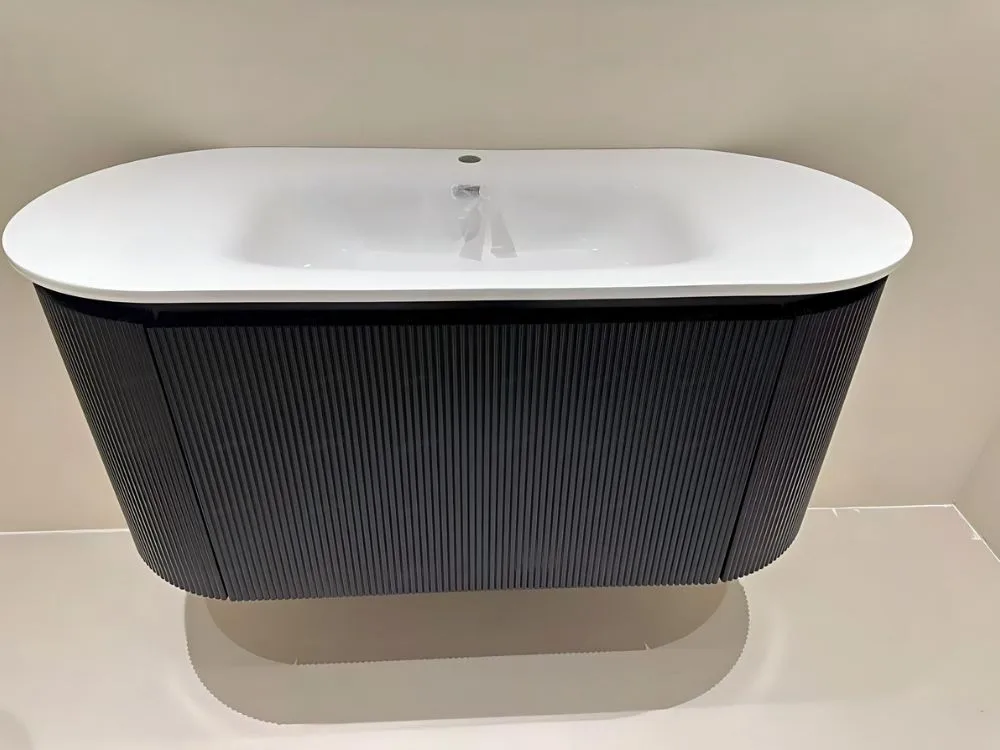
The Vanity Colors: Crisp White paired with Warm Timber.
The design culture in Oceania is famous for its relaxed, indoor-outdoor flow. Bathrooms here are designed to feel airy, spacious, and connected to nature.
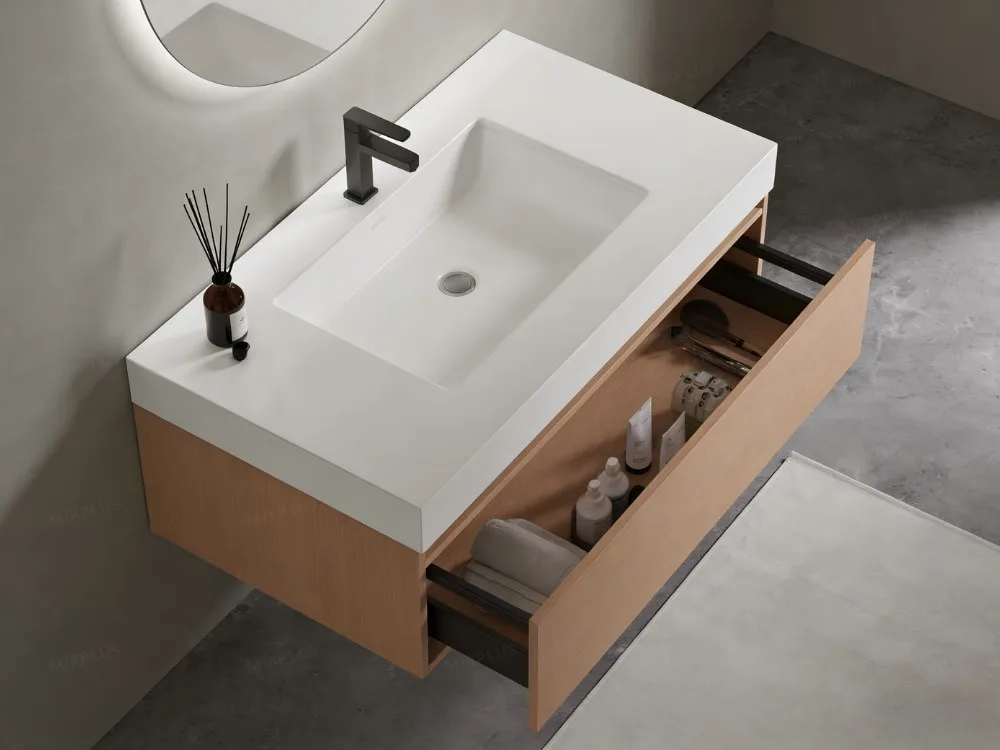
If you look at the top-saved bathroom photos on Houzz Australia, the undisputed favorite is the floating (wall-mounted) vanity. Specifically, they love a two-tone approach: a crisp white basin set against a warm timber-textured cabinet (like White Oak or Walnut).
By getting the vanity off the floor, it maximizes space, while the mix of white and wood strikes the perfect balance between modern cleanliness and coastal warmth.
As a manufacturer, tracking these global trends is fun, but the real challenge is color consistency. If a distributor in Texas orders 500 Navy Blue vanities, unit #1 needs to look exactly like unit #500.
It’s easy for a factory to make one gorgeous sample for a showroom. It’s a lot harder to make 500 perfect copies. If you are looking for a reliable manufacturing partner, here is a quick insider checklist to see if they can actually deliver:
Achieving a flawless, consistent color across 500 units is an art form. While some factories rely entirely on machines, high-end custom finishes require the skilled hand of an experienced artisan. But skill isn't enough—you need to ask about their environment.
A reliable factory pairs master painters with strict, dust-free spray rooms and rigorous color-mixing protocols. This ensures perfect batch-to-batch consistency, but with the level of detail only a human touch can provide.
For those realistic light oak or ash finishes, the secret is in the decorative paper. Cheaper factories just buy whatever laminate is on sale that week. A good partner has a steady, long-term supply chain with premium paper mills. This means the oak cabinets you order for Phase 1 of your project will perfectly match the Phase 2 order a year later.
A beautiful color doesn't matter if the edges start peeling in six months. Always ask what kind of glue they use on the cabinet edges. If they use standard, cheap glue, bathroom moisture will eventually ruin it.
At the end of the day, whether our master painters are crafting a flawless high-gloss black finish for Dubai, or we are sourcing premium waterproof melamine for an oak project in Sydney, delivering exactly what the local market demands is what keeps projects moving and clients happy.
1. Why is white the most popular vanity color in North America?
White dominates the North American market primarily due to resale value. It offers a timeless, clean aesthetic that appeals to the broadest range of potential homebuyers. It also makes smaller bathrooms feel larger and brighter.
2. Do custom vanity colors affect manufacturing lead times?
Yes. High-gloss or custom Pantone-matched baked lacquer requires a multi-stage curing and baking process in dust-free rooms, which extends production time. Standard paint-free melamine woodgrains are significantly faster to produce at volume.
3. How do manufacturers ensure exact color matching across large commercial orders?
To prevent color variations between unit #1 and unit #500, we utilize automated painting lines for baked finishes and source high-grade, UV-resistant melamine papers from strictly controlled batches. This guarantees absolute consistency for large-scale hotel or residential developments.
4. What is the best vanity color and style for a small commercial bathroom footprint?
Light oak or crisp white finishes are optimal for tight spaces as they reflect light. Additionally, utilizing a floating (wall-mounted) vanity design—highly popular in the Australian market—creates the optical illusion of more floor space.
5. Can developers order mixed-color batches for international projects?
Absolutely. As an OEM manufacturer, we have the flexible supply chain required to deliver different styles for different phases of a project—for instance, high-gloss black units for the penthouse suites and light ash melamine units for standard rooms.

Copyright 2026 - All Mirplusbath