If 2026 has a headline in the design world, it is this: Texture is the new color. We are seeing a massive shift away from the flat, high-gloss cabinets of the last decade. Homeowners and designers are craving spaces that feel tactile, organic, and grounded. Enter the Fluted Bathroom Vanity—the design element that is single-handedly redefining modern luxury.
But what exactly goes into this trend, and how do you choose the right one for your project? From the precision engineering behind the grooves to styling tips for your renovation, here is your definitive guide to the fluted bathroom vanity.
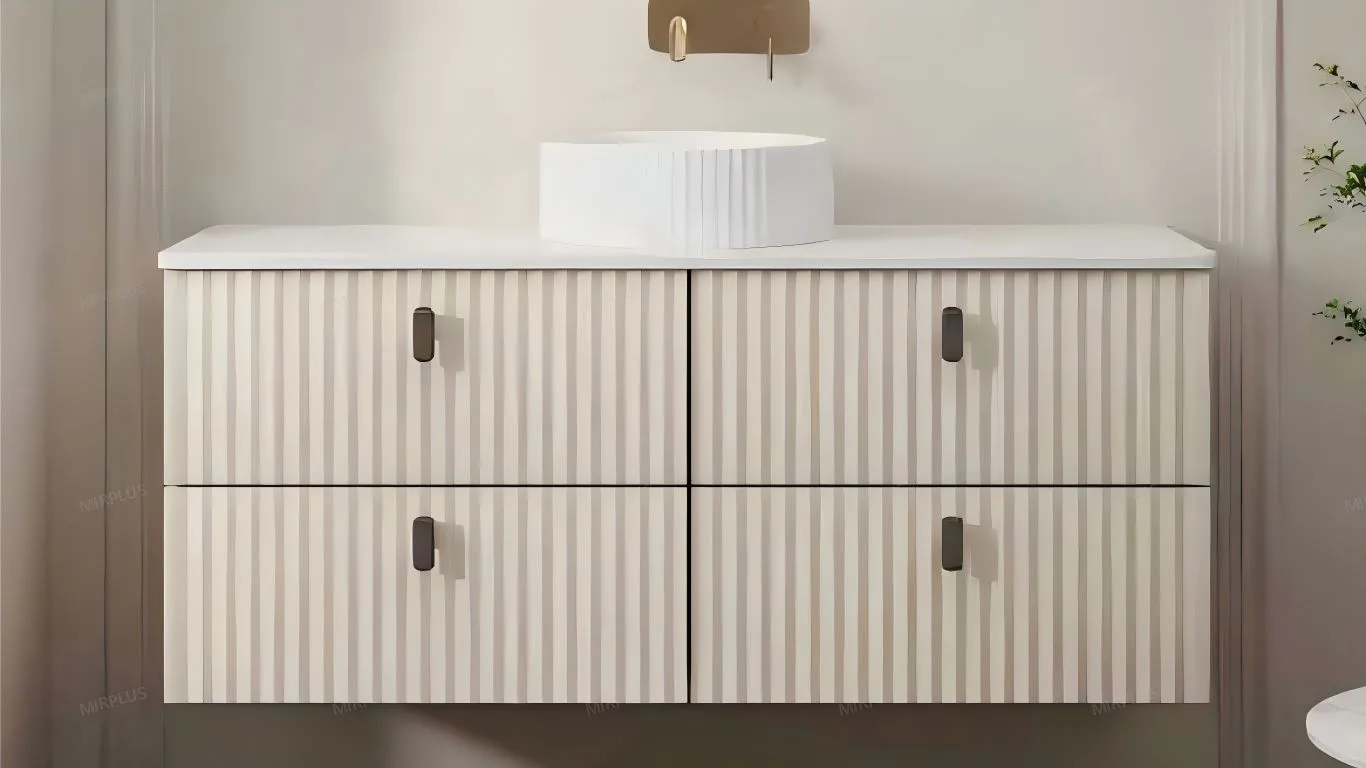
Before we dive into the details, let's clarify what we are actually looking at.
What is Fluting?
In furniture terms, "fluting" refers to a series of shallow, vertical grooves running across a surface, which creates a repeating vertical pattern that draws the eye upward, making ceilings look higher and vanities look more statuesque.
What is a Fluted Bathroom Vanity? At its simplest, a fluted bathroom vanity features vertical grooves carved into the cabinet face, creating a ribbed or scalloped texture. Unlike flat-panel cabinets, which rely on color for impact, fluted vanities rely on dimension.
This 3D surface breaks up the monotony of the bathroom, adding depth and visual interest without needing loud patterns. It is a design that whispers rather than shouts, offering a sophisticated way to introduce character into a space.
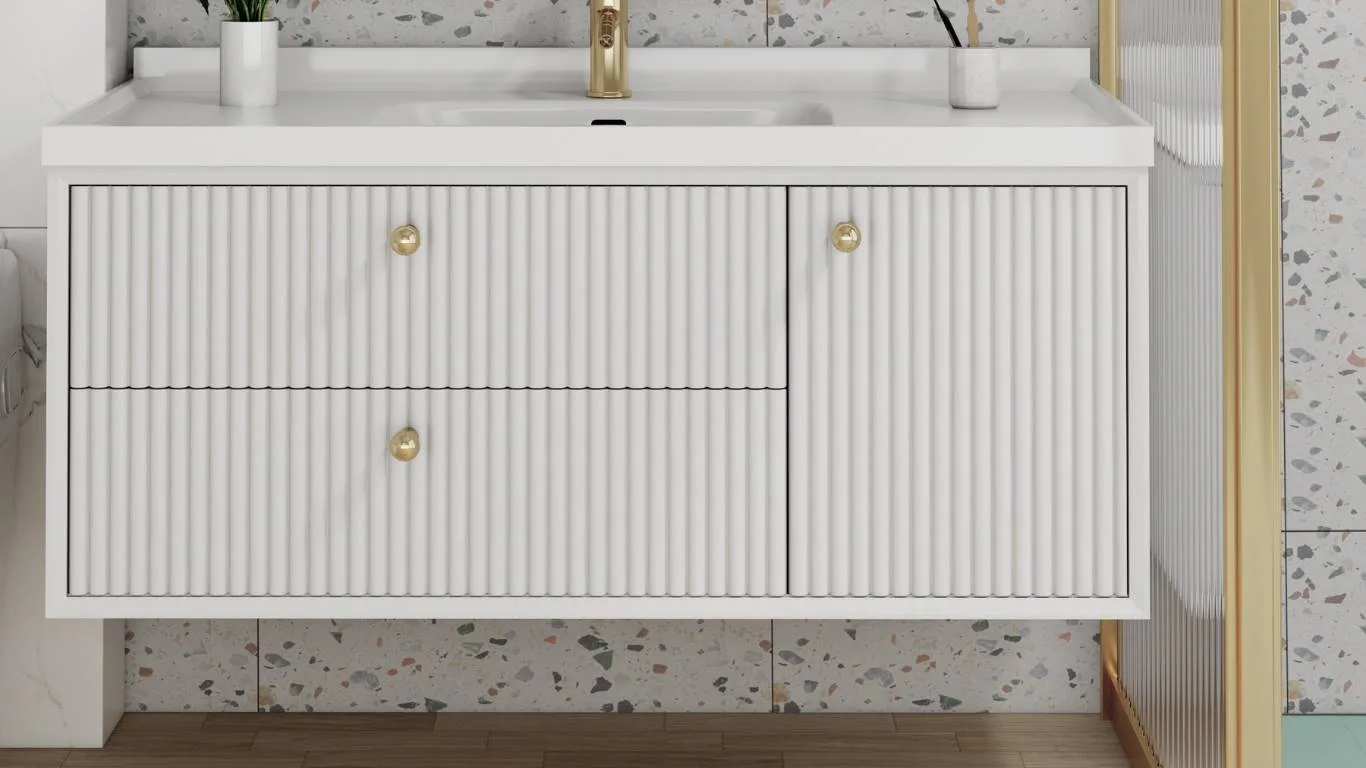
While this look feels incredibly fresh and modern today, it isn't actually new. Fluting has a prestigious lineage that spans centuries.
Today, we are seeing a "Modern Revival." We have stripped away the heavy ornamentation of the past, keeping only the clean, rhythmic lines to suit contemporary minimalist homes.

So, why do we go to all this effort to mill these textures? Because the payoff for your bathroom design is huge. This style is dominating 2026 because it offers five distinct advantages:
Sophisticated Elegance: A flat-panel cabinet can sometimes feel like a "big box store" purchase, but fluting mimics the look of custom millwork. It signals to the brain that attention was paid to every inch of the surface. Even in a modest powder room, this architectural detail instantly tricks the eye into seeing the space as more expensive and curated.
Versatility in Style: One of the rarest qualities in furniture design is the ability to fit anywhere. Fluting manages this perfectly because it is based on simple geometry rather than a specific era.
Texture That Transforms: Bathrooms are inherently "hard" environments—filled with cold porcelain tiles, glass mirrors, and metal fixtures. Without the right balance, they can easily feel bored. Fluting introduces a critical layer of "visual softness." The rhythm of the grooves breaks up the harsh, flat planes of the room, adding warmth and tactile interest that makes the bathroom feel less like a utility closet and more like a living space.
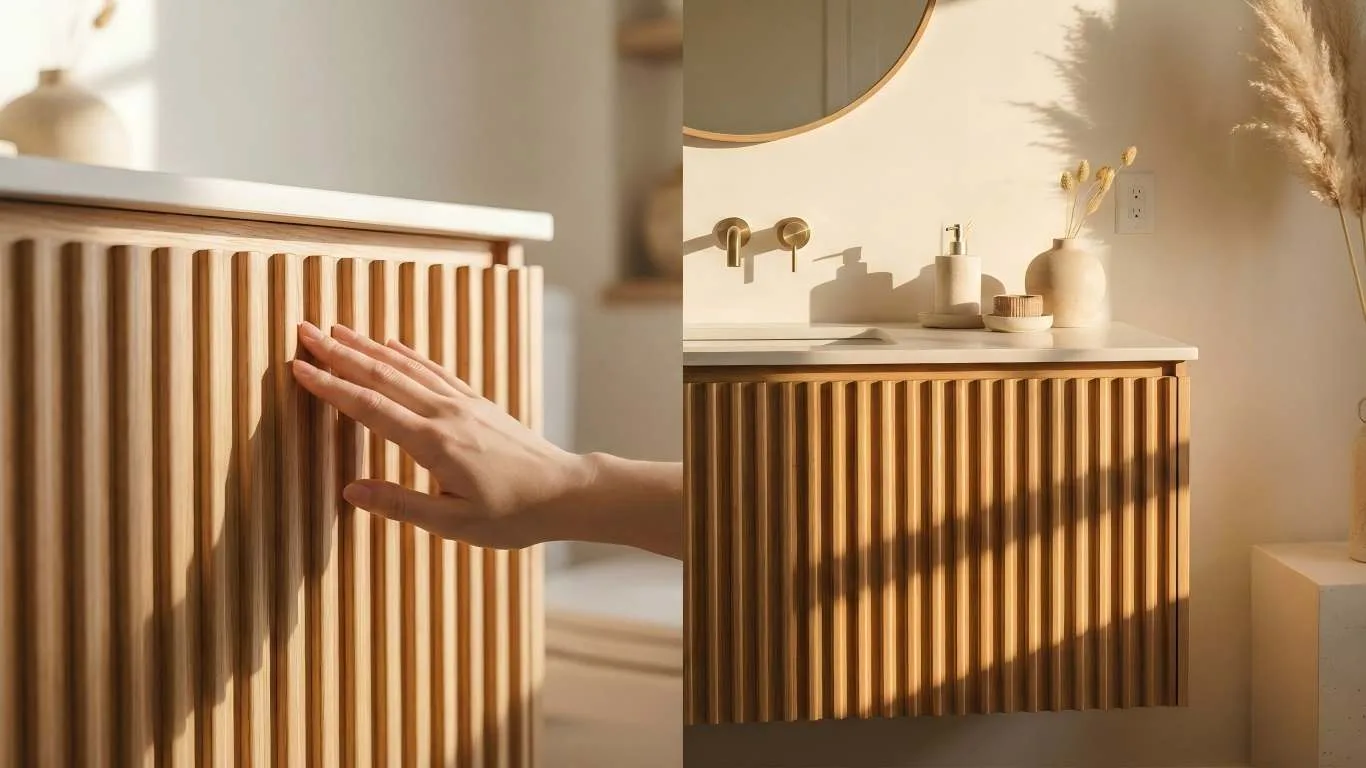
Dynamic Lighting Interaction: The grooved surface creates an ever-changing visual experience throughout the day. The grooves capture light differently at various times—casting deep shadows in the morning and glowing with a soft halo under the vanity light in the evening.
Do You Need Vanity Lights if You Have an Led Light Vanity Mirrors?
Focal Point & Aesthetics: In smaller bathrooms, you often don't have the wall space for large artwork or the counter space for decorative vases. The vanity is usually the largest object in the room. By choosing a fluted design, you turn that necessary storage unit into the room's primary statement piece. It does the heavy lifting for your decor, meaning you can keep the rest of the room simple and minimalist.
Knowing the definition is one thing, but actually producing these cabinets is a different story. As a manufacturer, I can tell you that producing a high-quality fluted bathroom vanity is an engineering feat.
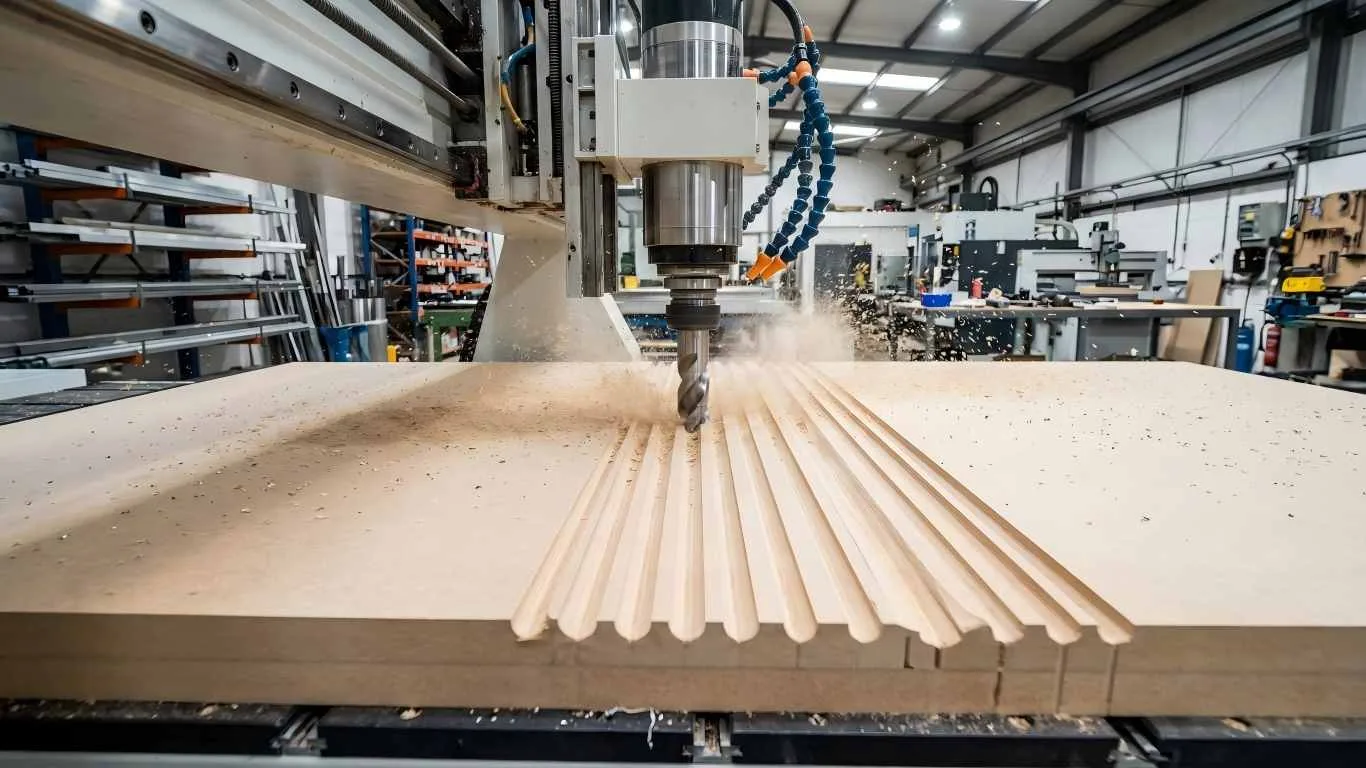
Ten years ago, this look was labor-intensive and expensive. Today, we use advanced CNC (Computer Numerical Control) machinery to mill these grooves with micrometer-level precision.
This technology allows us to carve into moisture-resistant materials (like multi-layer plywood or high-density MDF) without compromising the structural integrity of the door. The result is a consistent, flawless rhythm that handmade carpentry simply cannot match.
Now that we understand why it works, let’s look at how this trend takes shape in your home. Fluted designs typically fall into two main categories:
Once you have picked a style, the next step is finding the right scale for your layout. Fluting works beautifully across all sizes, but the effect changes slightly depending on the width.
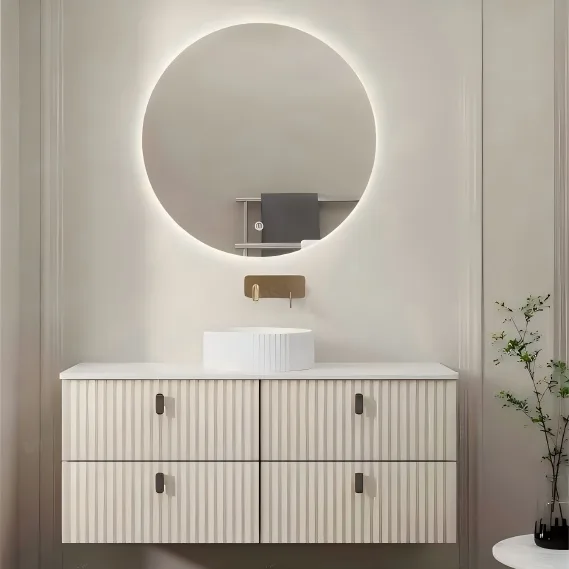

Of course, a vanity isn't just about looks—it needs to survive the humidity of a bathroom. Because the surface has grooves, the core material is critical.
What Is the Best Bathroom Cabinet Material?
With the foundation set, the fun part begins: styling the rest of the room. Here is how to ensure your new vanity fits perfectly with your decor.
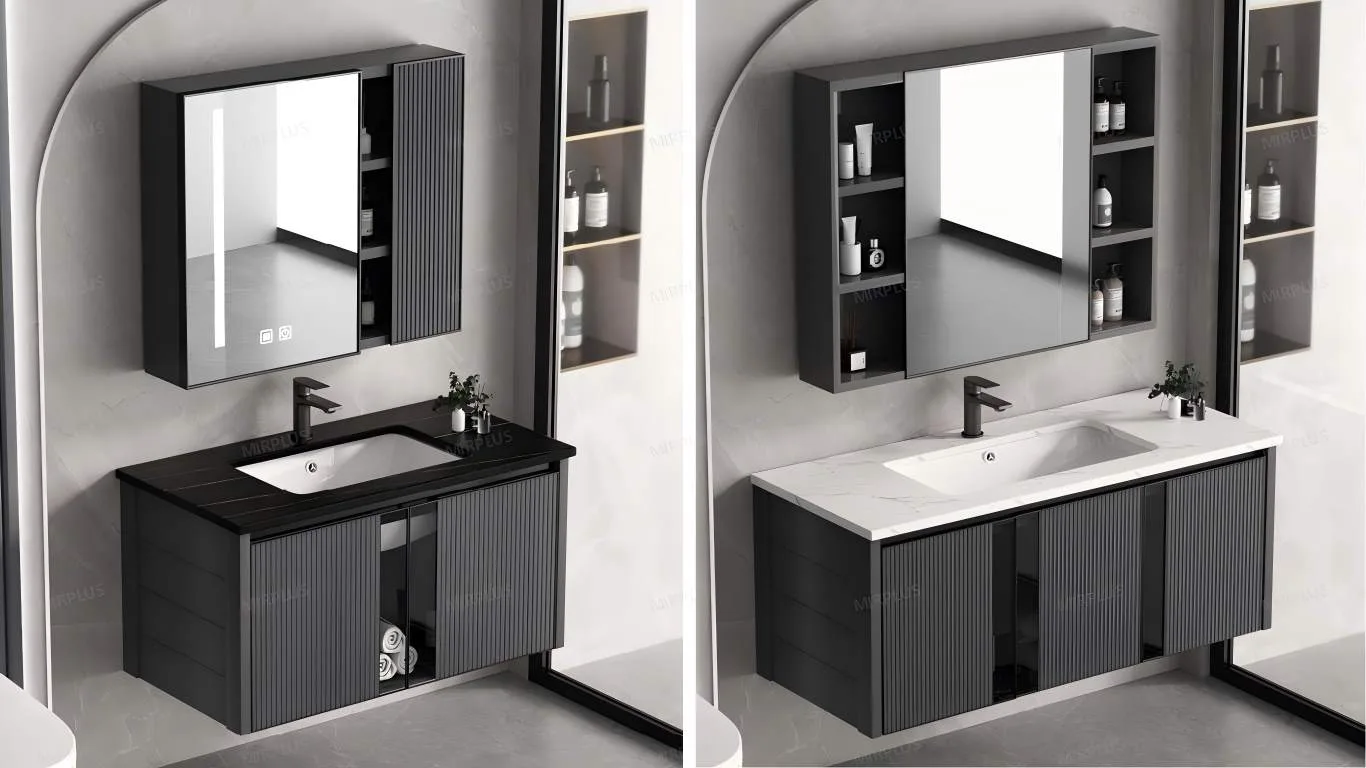
You might be thinking that all this detail comes with a hefty price tag. Historically, fluted furniture was indeed custom-made and expensive. However, thanks to the CNC manufacturing shift mentioned earlier, it is now surprisingly affordable.
While it typically costs 15-20% more than a standard flat-panel vanity (due to the extra machining and finishing time), most designers consider it a high-ROI investment because it dramatically increases the perceived value of the bathroom.
As a contractor or wholesaler, you need products that not only look good but sell themselves. The Mirplus Fluted Collection is engineered to meet this exact demand.
We combine precision CNC milling with premium moisture-resistant cores to deliver vanities that look expensive but are built for the rigors of daily use. Whether you need a custom 72-inch Walnut finish or a compact powder room unit, our factory-direct manufacturing ensures you get the latest trends on time and on budget.
Is a fluted bathroom vanity hard to clean?
This is the most common myth we hear! You might think dust gets trapped in the grooves, but because the lines are vertical, gravity actually works in your favor—dust doesn't settle there as easily as it does on horizontal shelves.
Will the grooves warp in a steamy bathroom?
If you buy a cheap particle board vanity, yes. But high-quality fluted bathroom vanities (like the ones we manufacture) are made from High-Density Moisture Resistant (HDMR) boards or multi-layer plywood. These cores are engineered specifically to resist swelling, meaning those crisp lines will stay straight even after years of hot showers.
Does fluting make a small bathroom feel cluttered?
Actually, it does the opposite. The vertical lines draw the eye upward, creating an optical illusion that makes your ceilings feel higher, and the room feel grander. It adds "texture" without adding "bulk," making it perfect for compact powder rooms.
Can I paint a fluted bathroom vanity myself later?
We generally don't recommend it for DIYers. While possible, sanding inside hundreds of tiny grooves to get a smooth finish is incredibly labor-intensive. It is much smarter (and cost-effective) to order the factory-finish color you want right from the start.

Copyright 2022 - All Mirplusbath