When planning a bathroom, it’s easy to focus on cabinets, tiles, or lighting first. But once you start using the space every day, you quickly realize that the bathroom sink shape plays a bigger role than expected. It affects how comfortable the sink feels, how much counter space you actually have, and how well everything works together. In this post, we
As a bathroom cabinet manufacturer, Mirplus works closely with designers, contractors, and small wholesalers. From our experience, choosing the right bathroom sink shape is one of the simplest ways to improve both functionality and long-term satisfaction. In this blog, we will discuss those the most common bathroom vanity sink shapes and how to choose the right bathroom sink shape with your design.
Before looking at individual bathroom sink shapes, it helps to understand how shape influences countertop space.
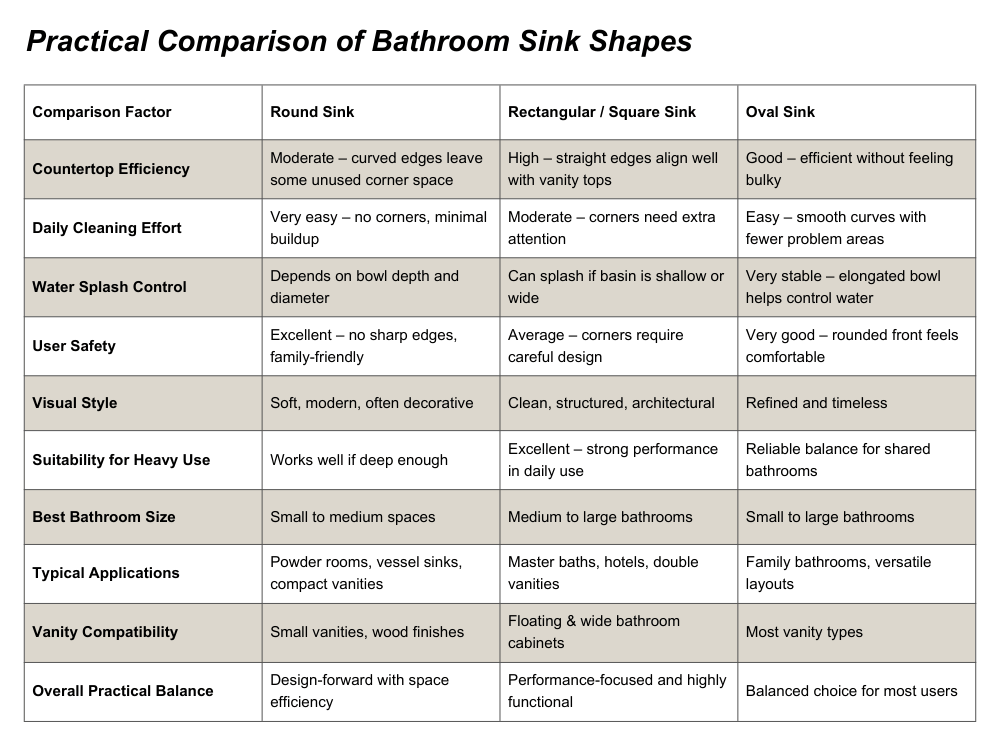
When using the bathroom space, you will find that the larger the surface area occupied by the sink, the less space there is for storing daily necessities. Rectangular and square sinks typically occupy more surface area, though they offer a wider basin. Conversely, round and oval sinks save space by eliminating sharp corners. Then there are vessel sinks. Since they sit on top of the countertop, they change how the surface is used.
In practice, bathroom sink shape and vanity depth should always work together. A sink that looks good but limits everyday use rarely feels like the right choice over time.
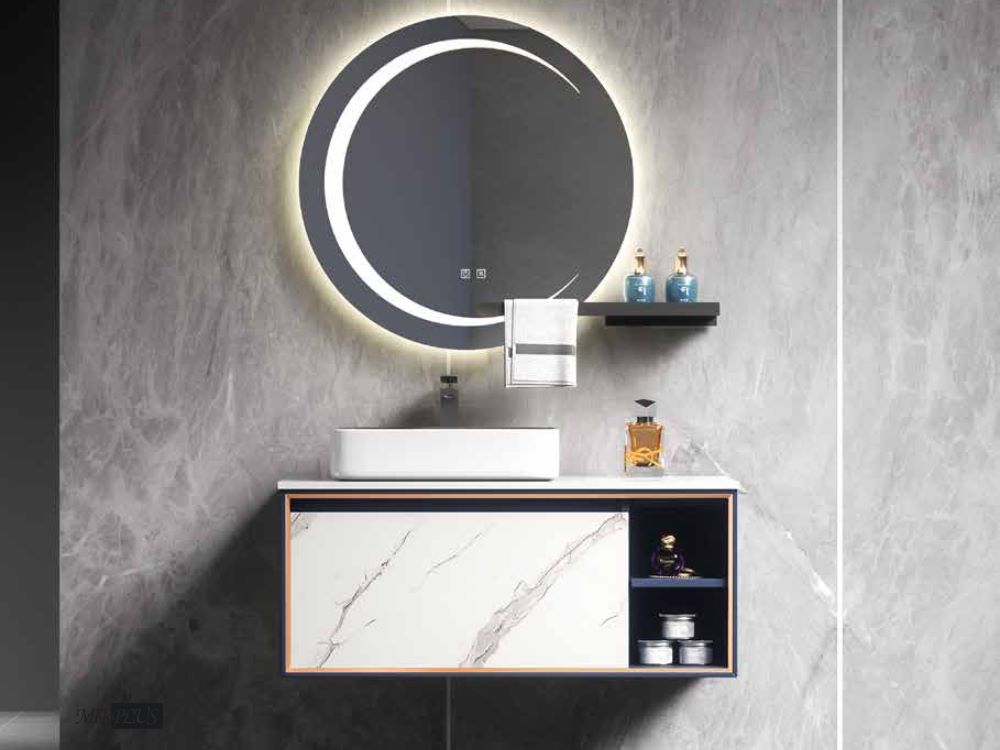
Beyond space and appearance, bathroom sink shape also affects how water flows and how easy the sink is to maintain.
Curved shapes, such as round and oval sinks, naturally guide water toward the drain. This usually results in less splashing and makes cleaning quicker and easier. Square and rectangular sinks offer clean, modern lines, but their corners may need a little more attention during routine cleaning.
While shallow-bottomed and flat-bottomed bathroom sinks may appear stylish and aesthetically pleasing, they are prone to water pooling and splashing, requiring frequent wiping.
Vessel sinks vary the most. Their drainage performance depends heavily on depth, bowl angle, and drain placement. That’s why planning ahead is especially important when choosing a vessel sink for long-term use.
How to clean your bathroom cabinet: some easy steps to do it
Now that we’ve covered how bathroom sink shape affects space and maintenance, let’s look more closely at the most common bathroom sink shapes and how they are typically used in real bathrooms.
Among the many sink designs available, the round sink remains a timeless classic choice in the minds of many homeowners. Round sinks are compact and efficient. Their soft shape allows them to fit comfortably on smaller vanity tops while leaving more free space around the sink.
Except that ,they are easy to clean, comfortable for basic daily use, and commonly found in powder rooms, guest bathrooms, and apartments. Round sinks are also frequently used as vessel sinks, especially when designers want to soften the straight lines of modern bathroom cabinets.
Oval sinks are often considered the most balanced option. They provide more basin space than round sinks while keeping smooth curves that feel natural to use.
This design pairs especially well with solid wood bathroom cabinets and sinks. Because oval sinks suit both modern and traditional vanity designs, they are a popular and safe choice for wholesalers and resellers.

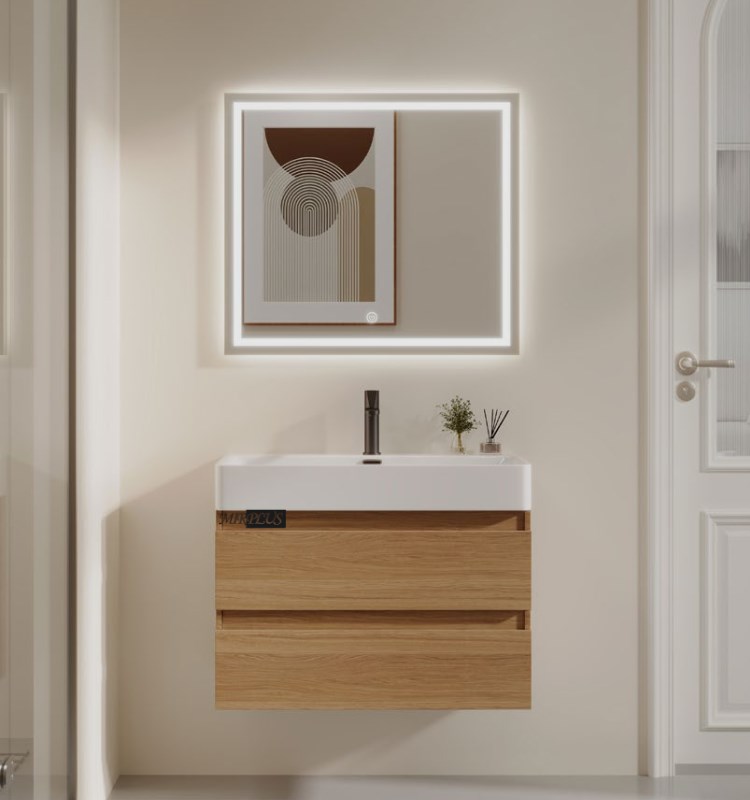
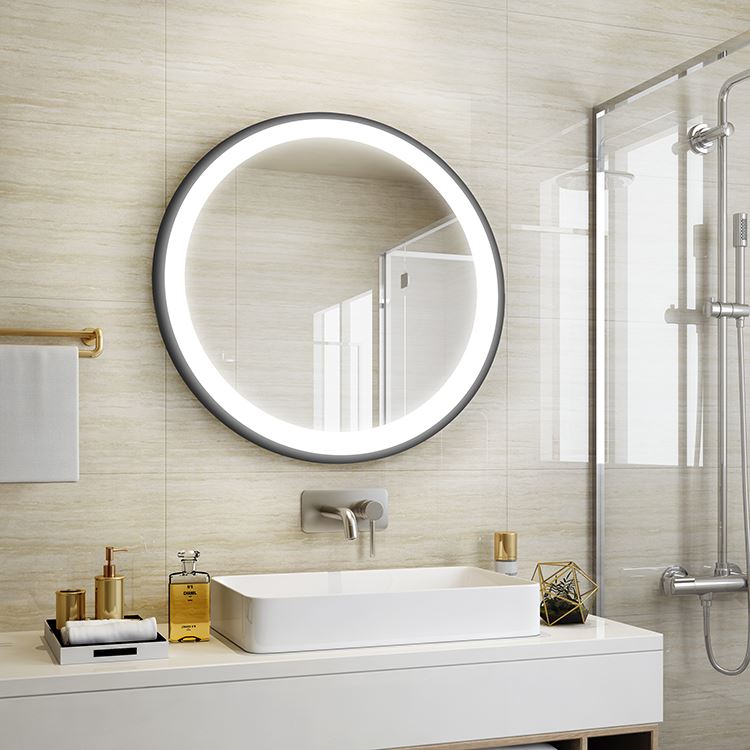
Rectangular sinks are closely linked to contemporary bathroom design. Their straight edges align naturally with floating vanities and wide countertops, which has gained more and more popularity in recent years.
They usually offer a larger basin area, which is useful in shared bathrooms or master bathrooms. Many products also feature raised basin edges, which not only ensure efficient drainage but also prevent clothes from getting splashed and wet during use.
Square sinks share a very similar design to rectangular sinks but offer a more balanced and symmetrical visual effect. Their flat bottoms and straight sides exude a modern and stylish aesthetic. Moreover, these sinks typically maximize basin space, making them convenient for daily grooming or dual-user applications. Their structured shape works well in minimalist or design-forward bathrooms where clean geometry is a priority.
Because of their corners, square sinks rely heavily on good internal slope and drainage design. When designed properly, they combine style and function, but they are best suited for users who value design as much as practicality.
Here is also a special type-- vessel sink. Vessel sinks sit above the countertop and are often chosen as a decorative focal point. They come in many shapes and materials, which gives designers more creative freedom.
That said, vessel sinks require careful coordination with vanity height and faucet selection. From a cabinet manufacturer’s point of view, this planning step is essential to ensure the sink is comfortable to use every day.
Once the sink shape is clear, the next step is matching it with the right vanity type. This is where many bathroom projects succeed—or run into problems.
Wall-Mounted Vanities
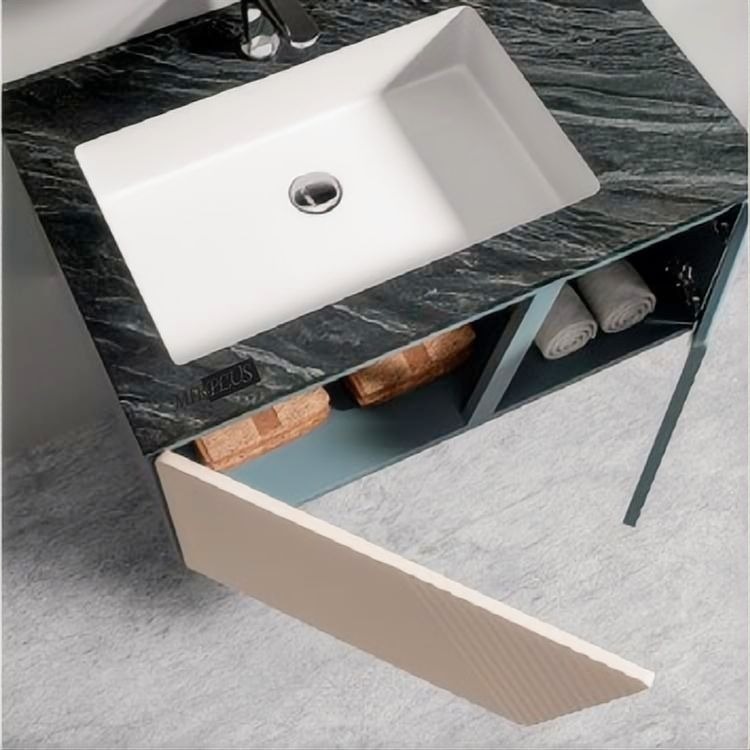
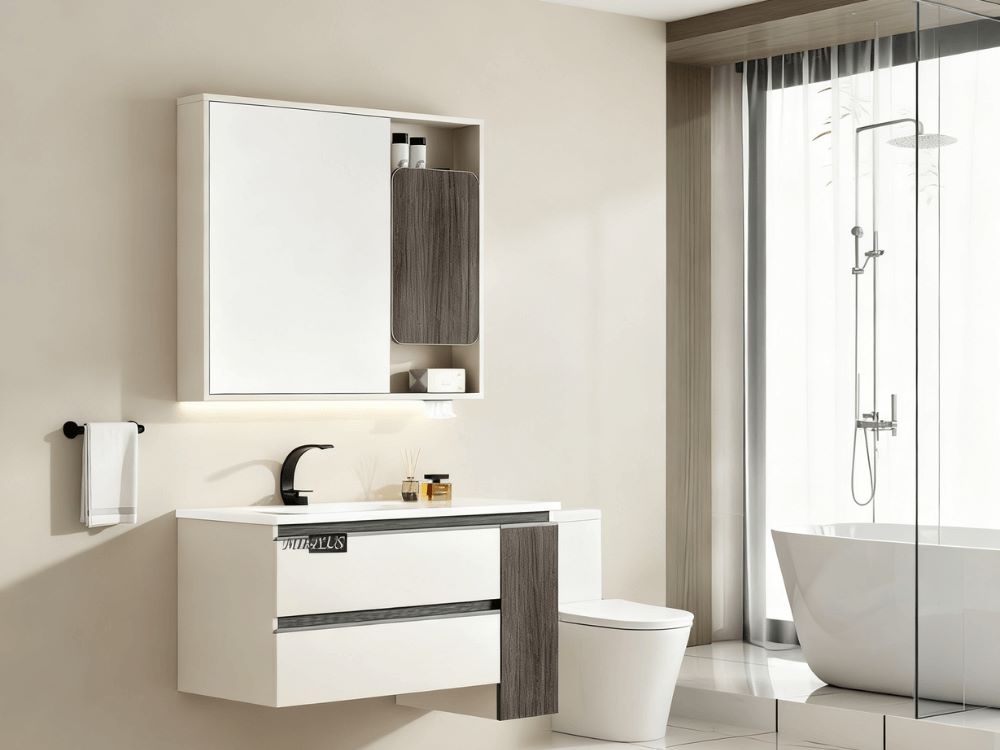
Wall-mounted vanities are popular in modern bathrooms because they create a clean, open feel. Rectangular and oval sinks work best here, as they visually align with the straight edges of floating cabinets. This combination keeps the bathroom looking light and organized, which is especially helpful in smaller spaces.
Since wall-mounted bathroom cabinets are elevated off the floor, their overall design requires careful consideration. Suspended sinks or uniquely shaped vanity basins can disrupt the spatial harmony of wall-mounted cabinets, resulting in an awkward and mismatched appearance.

Freestanding vanities
Freestanding vanities offer more flexibility when it comes to bathroom sink shape. Depending on countertop size and the grounded shape, they can accommodate most shapes without difficulty.
Oval and rectangular sinks are the most common choices because they strike a good balance between usability and appearance. These vanities are often used in family bathrooms where comfort and durability are equally important.
If you seek a more expressive style, uniquely shaped or sculptural sinks are also excellent choices. These designs add distinctive charm to freestanding vanities, transforming the entire sink into a visual focal point.
Floating Vanity vs Freestanding Bathroom Vanity: Which One Is Right for You?
Double Sink Vanities
Double sink vanities need careful planning to maintain symmetry and comfort. Rectangular and oval sinks are usually the best options, as they allow even spacing and enough basin space for two users. When paired with a double vanity featuring dual mirrors and evenly spaced hardware, the rectangular sink design adds clean lines to a minimalist modern bathroom, while the oval basin softens the overall rigid feel with its gentle curves, creating a smooth transitional ambiance.
This setup works particularly well in master bathrooms and shared spaces where efficiency matters.
Small Wood Bathroom Vanity with Sink
For compact bathrooms or apartments, It is a good choice to choose small wood bathroom vanity with sink, And small wood vanities are often paired with round or oval sinks. These shapes help maximize usable space while complementing the warmth of natural wood finishes.
By the way, this combination is popular in residential projects where both comfort and space efficiency are key priorities.
With all these options in mind, a few simple guidelines can help narrow down the right choice.
Understanding your bathroom size is vital for you to determining the right sink size. Smaller bathrooms benefit from compact bathroom sink shapes like round or oval designs, which can make the space feel more open and airing. Larger bathrooms can comfortably support rectangular or double-sink layouts for a modern design.
For everyday family use, easy-to-clean curved shapes are often the most practical. And if you need more space for your toiletries, a rectangular sink would be a better fit. In a narrow bathroom area, a simple design round or oval sink sures basic storage functionality without taking up too much space. On the contrary, guest bathrooms like market or pubilc area allow more freedom for decorative or statement sinks.
While most sinks are similar in function, their design and size should complement your bathroom's overall style. For example, modern and minimalist bathrooms pair well with rectangular or square sinks. Classic and transitional styles often suit oval shapes, while vessel sinks work best in design-focused spaces.
In most cases, starting with function makes the final design feel right.
Choose Best Bathroom Sink Types & Materials | Transform Your Bathroom Sanctuary
Of course, shape is only part of the equation. Material also affects durability and appearance. Different sink materials offer distinct textures and aesthetic appeal.
Ceramic Sinks
Ceramic sinks are the most common choice. They’re durable, easy to clean, and work well in almost any bathroom style. Compared to other materials, it is also relatively affordable, making them as a versatile option for most bathroom designs.
Glass Sinks
Glass sinks are decorative and modern, often used as vessel sinks. They come in a wide variety of colors and designs, adding a modern, stylish touch to your bathroom. Due to the charateristic of glass, they’re best suited for low-traffic or design-led bathrooms.
Stone Sinks
Except ceramic sinks, stone sinks are also a popular option in bathroom design. Stone sinks, such as marble or granite, offer a natural, premium look. They’re durable but heavier, which means the vanity must provide strong structural support.

Choosing the right bathroom sink shape isn’t about following trends. It’s about finding the right balance between space, comfort, maintenance, and vanity compatibility.
Whether you’re planning a renovation or selecting products for resale, understanding bathroom sink shapes makes decision-making clearer and more confident.
At Mirplus, we look at sink selection from a bathroom cabinet manufacturer’s perspective, helping our clients choose solutions that work well in real bathrooms, not just in showrooms.
If you need help matching bathroom sink shapes with bathroom cabinets, the Mirplus team is always happy to help.
1. What is the most practical bathroom sink shape for daily use?
Oval and rectangular sinks are generally the most practical for daily use. Oval sinks offer easy cleaning and safety, while rectangular sinks provide larger basin space for shared bathrooms.
2. Is a round sink good for small bathrooms?
Yes. Round sinks are ideal for small bathrooms because they take up less visual and physical space, leaving more usable countertop area.
3. Do rectangular sinks splash more than oval sinks?
Rectangular sinks can splash more if they are shallow or poorly sloped. Proper depth and internal design significantly reduce this issue.
4. What sink shape works best with wall-mounted bathroom cabinets?
Rectangular and oval sinks pair best with wall-mounted vanities, as their shapes align well with floating cabinet designs.
5. Are vessel sinks practical for everyday bathrooms?
Vessel sinks can be practical if the vanity height, faucet type, and bowl depth are carefully planned. They are best suited for low- to medium-traffic bathrooms.
6. How do I choose the right sink shape for resale or wholesale projects?
For resale projects, oval and rectangular sinks are the safest options. They appeal to a wider audience and work well with most bathroom cabinet designs.

Copyright 2026 - All Mirplusbath